
Vietnam National Day: A Celebration of Independence and Unity
Vietnam National Day: A Celebration of Independence and Unity

Vietnam National Day, or ‘Ngày Quốc Khánh‘ as it’s known locally, stands as a pivotal and deeply symbolic occasion in the heart of every Vietnamese person. It’s a day that resonates with history, patriotism, and vibrant cultural displays, marking a significant turning point in the nation’s journey. For travelers and history enthusiasts alike, understanding the essence of National Day in Vietnam offers a profound glimpse into the country’s past and its people’s enduring spirit. To delve deeper into Vietnam’s captivating history and plan your own exploration, consider Little Charm Hostel as a valuable resource for your journey.
1. The Birth of a Nation – National Day in Vietnam
The story of National Day in Vietnam is a compelling narrative of resilience, aspiration, and the unyielding desire for self-determination. It’s a chapter in Vietnamese history that every citizen holds dear, and its echoes resonate powerfully across the nation each year.
1.1. Declaration of Independence
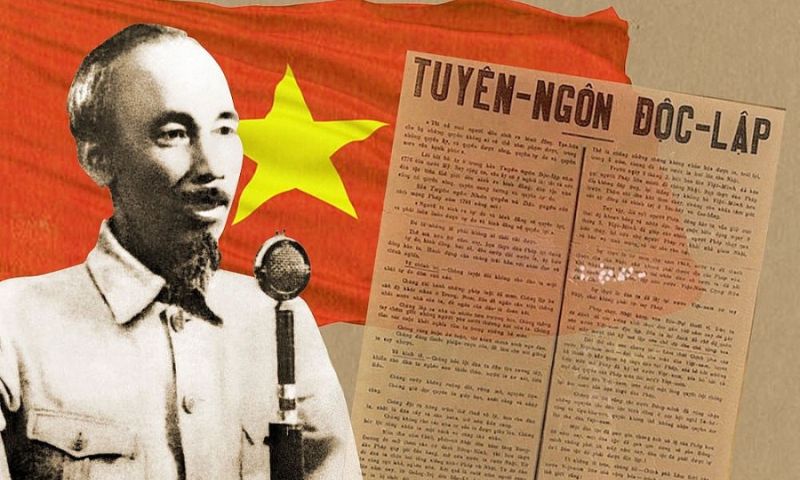 The unequivocal turning point arrived on September 2, 1945. On this momentous day, amidst a sea of hopeful faces in Hanoi‘s historic Ba Dinh Square, President Ho Chi Minh read the Declaration of Independence. This act was far more than a mere proclamation; it was the birth announcement of the Democratic Republic of Vietnam. This declaration courageously signaled an end to nearly a century of French colonial rule and the more recent, yet equally oppressive, Japanese occupation that had taken hold during the tumultuous years of World War II. The words of the declaration, famously echoing the American sentiment, championed the inalienable rights to “Life, Liberty, and the pursuit of Happiness,” laying a foundational stone for a new, sovereign Vietnam. The air in Ba Dinh Square that day was thick with anticipation and the dawning of a new era, forever etching September 2, 1945, into the annals of Vietnamese history as the genesis of its modern independence.
1.2. The Journey to Recognition
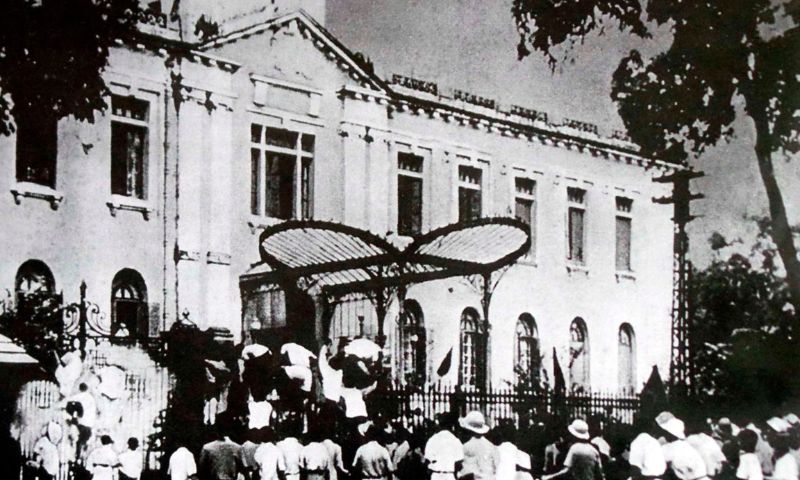 The path to this historic declaration was paved by significant preceding events. The August Revolution in August 1945 was a critical precursor. Spearheaded by the Viet Minh, a league for the independence of Vietnam, this nationwide uprising saw the Vietnamese people actively seizing government offices and asserting their will for freedom. The momentum was undeniable. Just days before the declaration in Hanoi, on August 25, 1945, Emperor Bao Dai, the last monarch of the Nguyen dynasty, abdicated. This act effectively marked the end of feudal rule in Vietnam, creating a power vacuum that the newly formed provisional government was ready to fill. While the spirit of independence was alive and celebrated, the official designation of September 2nd as the National Day was formally solidified in 1954. It’s interesting to note a slight evolution in its naming; initially, September 2nd was widely referred to as Independence Day, while August 19th was often celebrated as the National Day in commemoration of the August Revolution. However, to consolidate the profound significance of President Ho Chi Minh‘s proclamation, September 2nd eventually became the unified and paramount National Day.
1.3. Enduring Significance
 The importance of National Day in Vietnam cannot be overstated. It represents a monumental milestone in Vietnam’s millennia-long saga of building and fiercely defending its sovereignty and identity. More than just a date on the calendar, it serves as a poignant and powerful reminder of the immense sacrifices made by countless generations who fought tirelessly for the nation’s freedom. The establishment of the Democratic Republic of Vietnam on that day was the foundational block upon which the modern Socialist Republic of Vietnam was built. It was a declaration to the world that Vietnam was a free and independent nation, ready to chart its own course. This enduring significance is why National Day is observed with such profound respect and vibrant patriotism throughout Vietnam.
2. Observing National Day Vietnam
The observance of National Day Vietnam is a vibrant tapestry woven with solemn official commemorations and joyous public festivities, reflecting the deep significance of this day for the Vietnamese people. Across the country, a palpable sense of patriotism and unity fills the air.
2.1. Official Commemorations and Public Displays
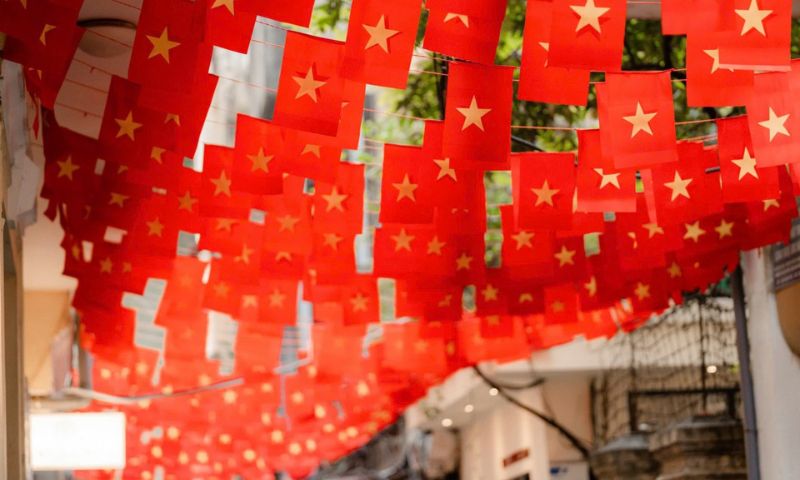 The heart of official ceremonies often beats strongest in Hanoi, the nation’s capital. Majestic Flag-raising ceremonies are a cornerstone of the day, with the most iconic taking place at the historic Ba Dinh Square. Here, in the very place where independence was declared, the Vietnamese national flag is hoisted with great reverence, often accompanied by stirring nationalistic music and the presence of high-ranking officials and citizens alike. Speeches by national leaders are common, reflecting on Vietnam’s historical journey, its achievements, and future aspirations.
On significant anniversaries, Grand parades are a spectacular sight in major cities like Hanoi and Ho Chi Minh City. These processions are a vibrant showcase of national pride, featuring disciplined military units, columns of veterans, and diverse groups of citizens, including women gracefully adorned in the traditional Ao Dai. Elaborate floats depicting historical events, cultural achievements, and symbols of Vietnamese industry also feature prominently.
As evening descends, the sky in many urban centers erupts with dazzling Fireworks displays. In Hanoi, popular viewing spots often include areas around Hoan Kiem Lake, West Lake, Van Quan Lake, Thong Nhat Park, and near the My Dinh National Stadium. Ho Chi Minh City also hosts its own spectacular pyrotechnics. These vibrant displays are a joyous culmination of the day’s commemorative activities. Furthermore, solemn Wreath-laying ceremonies are conducted at significant national monuments, most notably at the Ho Chi Minh Mausoleum in Hanoi, where respects are paid to the nation’s revered leader.
2.2. Nationwide Festivities and Local Customs
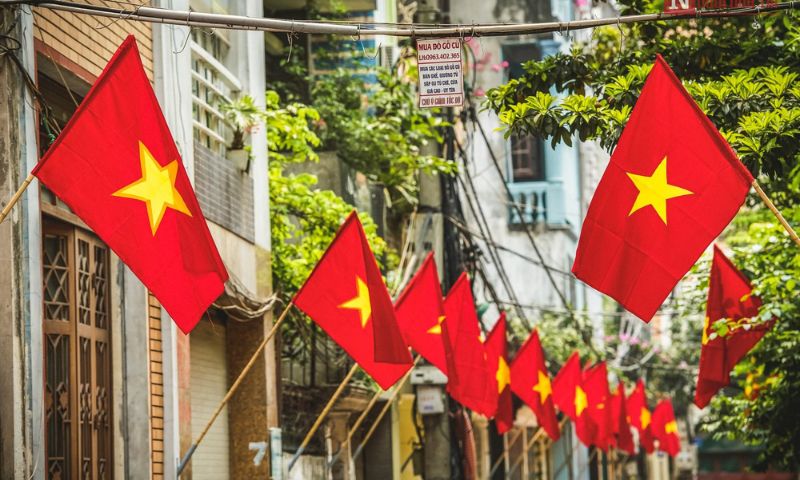 The spirit of National Day Vietnam extends far beyond official events, permeating every corner of the country. The most visible display is the ubiquitous presence of the national flag. Homes, businesses, and public streets are proudly adorned with the vibrant red and gold banner, creating a sea of patriotic color. Alongside the flags, posters and banners featuring images of President Ho Chi Minh and inspiring national slogans are commonly displayed, reinforcing the historical and emotional significance of the day.
Cultural performances abound, with traditional music, captivating dances, and various art forms showcasing Vietnam’s rich and diverse heritage. These performances often take place in public squares, community centers, and theaters, drawing enthusiastic crowds. For many, National Day Vietnam is also a cherished opportunity for Family gatherings. It’s a time when relatives come together, often sharing special meals featuring traditional Vietnamese cuisine, and recounting stories of the nation’s past and their own family histories.
Given that National Day Vietnam is a public holiday, often extended with an additional day off, it has also become a popular time for Travel and leisure. Many Vietnamese citizens take this opportunity to explore different parts of their country, visit relatives in other provinces, or simply relax and enjoy the festive atmosphere. Numerous Community events spring up organically, from local festivals and neighborhood celebrations to friendly sports competitions, all fostering a sense of camaraderie and shared pride.
2.3. Visiting Historical Sites
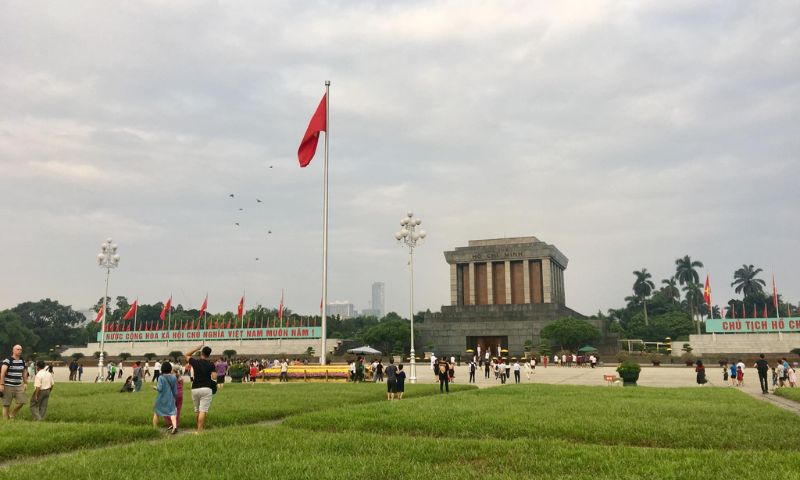 For those wishing to delve deeper into the historical context of National Day Vietnam, visiting key Historical Sites offers a poignant and educational experience. These locations become especially significant during this commemorative period.
In Hanoi:
- The Ho Chi Minh Mausoleum Complex and Ba Dinh Square are central to understanding the nation’s modern history and the figure of President Ho Chi Minh.
- Hoa Lo Prison, also known as the “Hanoi Hilton,” offers a sobering glimpse into the struggles during the colonial era and the Vietnam War.
In Ho Chi Minh City:
- The Independence Palace (Reunification Palace) stands as a powerful symbol of the end of the Vietnam War and the reunification of the country.
- The War Remnants Museum provides a detailed, though often harrowing, account of the wars fought in Vietnam.
- The Cu Chi Tunnels, an immense network of underground tunnels utilized during the war, offer a unique insight into the resilience and ingenuity of the Vietnamese people.
Many of these Historical Sites host special exhibitions or events around National Day Vietnam, providing visitors with an enriched understanding of the nation’s journey to independence and its ongoing legacy.
3. The Spirit of National Day in Vietnam
Beyond the historical facts and the vibrant festivities, National Day in Vietnam embodies a profound spirit that is deeply ingrained in the national psyche. It’s a day that encapsulates the core values of Resilience, National Unity, and a solemn Remembrance of the sacrifices made for the nation’s Independence.
3.1. A Symbol of Resilience
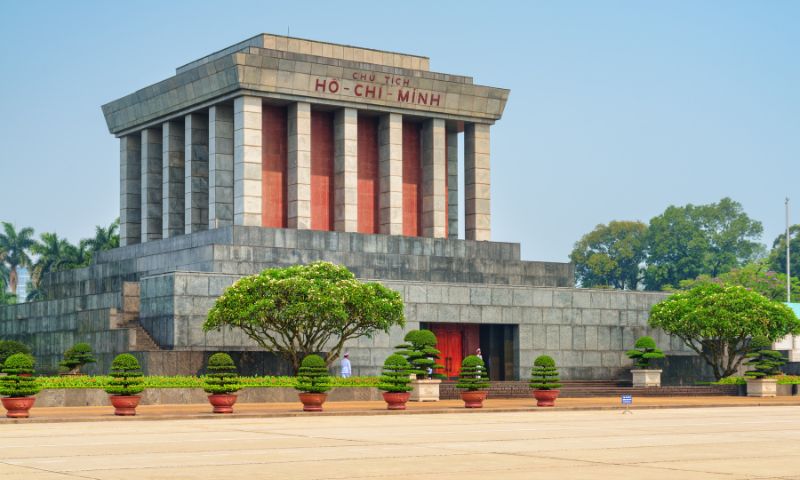 The journey of Vietnam is a testament to its incredible Resilience. For centuries, the nation weathered immense challenges, including prolonged periods under colonial powers and devastating wars, yet the spirit of the Vietnamese people remained unyielding in their pursuit of Sovereignty. National Day in Vietnam serves as a powerful annual reminder of this indomitable spirit. It honors the unwavering determination to overcome adversity and the immense sacrifices made by countless national heroes and ordinary citizens who fought valiantly for the country’s freedom and eventual Reunification. This day is a celebration of the strength found in adversity, a spirit that has not only allowed Vietnam to survive but to emerge stronger and more determined.
3.2. Fostering National Unity
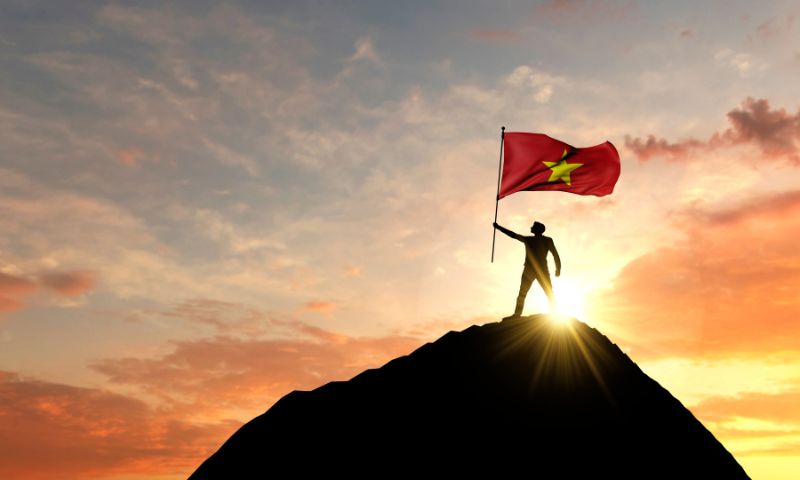 One of the most significant aspects of National Day in Vietnam is its role in fostering National Unity. It’s a day when the Vietnamese people, regardless of their regional backgrounds or personal histories, come together under a shared identity and a common History. The celebrations and commemorations transcend individual differences, uniting the populace in a collective expression of patriotism and shared purpose. This sense of togetherness is palpable in the streets, in homes, and at public gatherings. The dream of a unified, Independent Vietnam was the driving force for generations, and National Day serves to reinforce this powerful bond, reminding everyone of the collective strength that lies in unity and the shared responsibility of building a prosperous nation.
3.3. Looking to the Future
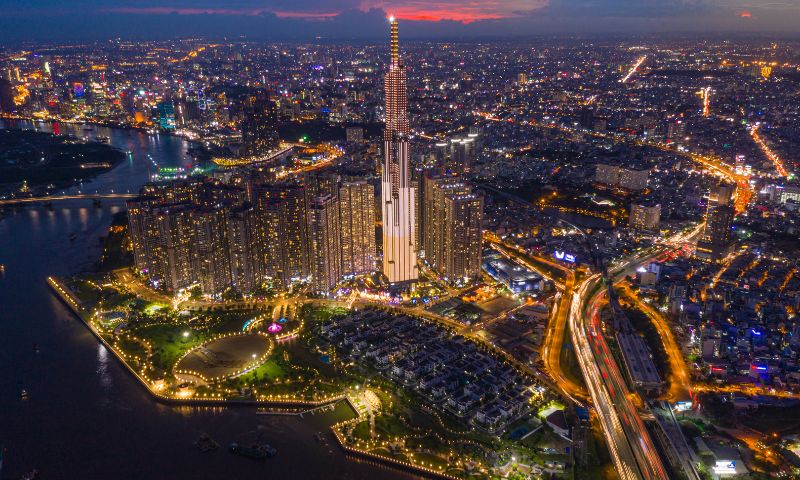 While deeply rooted in History and Remembrance, National Day in Vietnam is not solely about looking backward. It also serves as a beacon, illuminating the path forward. It is a day to celebrate the nation’s progress, its achievements in rebuilding and development, and its aspirations for a future marked by Peace and continued prosperity. For the younger generations of Vietnamese, National Day is a crucial link to their Heritage. It provides an opportunity to learn about the struggles and sacrifices that secured their Independence, instilling in them a sense of gratitude, responsibility, and inspiration to contribute to the nation’s ongoing journey. The spirit of National Day in Vietnam is thus a dynamic force, connecting the past, present, and future, and fueling the enduring hope for a bright and sovereign tomorrow.