
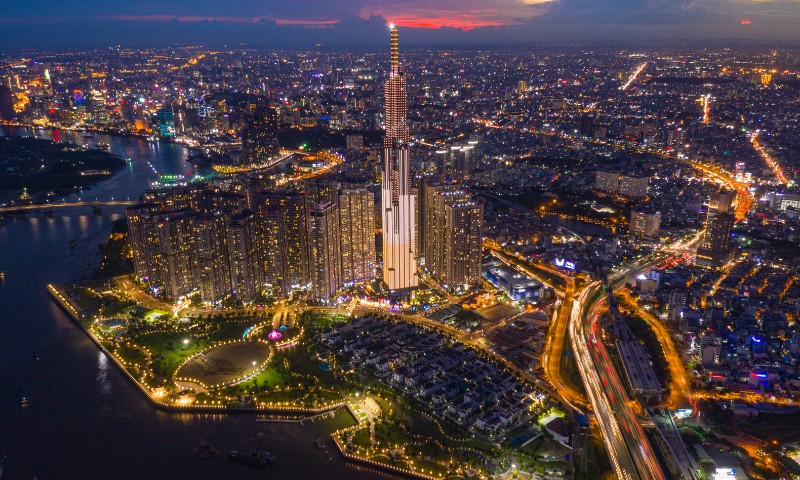
The first thing that truly awakens you to life in Vietnam isn’t an alarm clock; it’s the symphony of the city. It’s the rich, aromatic scent of robusta coffee brewing on a street corner in Hanoi, the rhythmic hum of a million motorbikes flowing like a metallic river through ancient streets, and the vibrant chatter of a language that sings with six distinct tones. So many travelers are captivated by the stunning landscapes and historical depth, but they often leave wondering, what is the real, day-to-day life in Vietnam like behind the beautiful travel photos? This is an honest, in-depth look at both the incredible appeal and the practical challenges of living in this dynamic country, drawing from years of firsthand experience. For those just beginning to dip their toes into this incredible culture, a welcoming base like Little Charm Hostel offers a perfect first taste of this vibrant world.
1. The Magnetic Pull: Why People Choose Life in Vietnam
 Vietnam’s allure is a powerful combination of ancient charm and exhilarating forward momentum. It’s a country that captures the imagination and convinces many to not just visit, but to stay.
1.1. A Rich Tapestry of History and Culture
To live in Vietnam is to walk through a living museum. The nation’s history is a profound story of resilience, visible everywhere from the thousand-year-old Temple of Literature in Hanoi to the French colonial architecture that lines its boulevards. This history isn’t just in the past; it shapes the present. The deep-rooted importance of family, the respect for elders, and a strong sense of community are pillars of the society. This creates a social fabric that is both fascinating and, for many foreigners, incredibly welcoming.
1.2. Culinary Heaven and Natural Wonders
The food is, without exaggeration, a primary reason people fall in love with Vietnam. It’s far more than just sustenance; it’s a social event, a cultural expression, and a daily joy. As the late, great Anthony Bourdain said, “It’s a symphony of flavors.” Beyond the cities, the country’s geography offers breathtaking diversity. From the dramatic, terraced rice fields of the north to the sun-drenched beaches of Da Nang and the lush, serpentine waterways of the Mekong Delta, Vietnam’s natural beauty provides an endless playground for exploration and a stunning backdrop to daily life.
2. The Daily Rhythm: What is Life Like in Vietnam?
 To truly understand what is life like in Vietnam, one must look at the rhythm of a typical day, which blends tradition, hard work, and a profound appreciation for simple pleasures.
2.1. The Morning Rituals
The day starts early. Long before the tourist crowds emerge, parks are filled with locals practicing Tai Chi, playing badminton, or simply enjoying the cool morning air. The cornerstone of a Vietnamese morning is coffee. Whether it’s a quick, potent ‘ca phe den’ (black coffee) or a sweet, creamy ‘ca phe sua da’ (iced coffee with condensed milk), the cafe culture is sacred. Breakfast is often a steaming bowl of pho or a hearty ‘banh mi’ sandwich, enjoyed on a small plastic stool at a bustling street-side stall.
2.2. The Energetic Pulse of Day and Night
The workday is often fast-paced, reflecting the country’s ambitious economic energy. Yet, there’s an understanding of balance. A proper lunch break, often with a quick nap, is common. As evening descends, the cities transform. The streets become social hubs, with families and friends gathering for dinner at outdoor eateries, sharing sizzling hotpots and fresh beer (‘bia hoi’). While the nightlife in cities like Hanoi and Ho Chi Minh City is vibrant, the evening is primarily a time for community and connection, a core tenet of life in Vietnam.
3. Navigating the Hurdles: Common Problems Living in Vietnam
 No paradise is without its challenges. Being aware of the common problems living in Vietnam is crucial for anyone considering a move, as it allows for a realistic and more prepared transition.
3.1. The Symphony of the Streets
The traffic is legendary and often the first major culture shock. The seemingly chaotic flow of motorbikes can be intimidating. There are rules, but they are unwritten and fluid, based more on flow and intuition than on strict adherence to traffic lights. While mastering the art of crossing the street (walk slowly, be predictable) is an essential first skill, the sheer volume of vehicles contributes to both noise and air pollution, which are significant environmental challenges in the major cities.
3.2. Language, Culture, and Bureaucracy
The Vietnamese language is notoriously difficult for English speakers due to its tonal nature. While you can get by with English in major tourist areas, a lack of local language skills can be isolating and makes simple tasks more difficult. Furthermore, navigating bureaucracy can be a frustrating experience. Obtaining visas, work permits, and other official documents often involves a complex and lengthy process that requires immense patience. Cultural misunderstandings can also arise, particularly around indirect communication and the concept of “saving face.”
4. The Financial Side: Cost of Living in Vietnam
 One of the most significant draws for expats is the low cost of living. Your money goes much further here, allowing for a comfortable lifestyle that might be unattainable back home.
4.1. Your Monthly Budget Breakdown
While costs vary, a single expat in a city like Hanoi can live comfortably on a budget of $800 – $1,200 USD per month. A modern, one-bedroom apartment might cost between $350 and $600. Food is incredibly affordable, especially if you eat locally; you can get a delicious, filling meal for just $2-$3. A motorbike, the most common form of transport, is cheap to buy, maintain, and fuel.
4.2. Local Living vs. Western Comforts
Your lifestyle choices will be the biggest factor in your monthly spending. If you primarily eat street food, shop at local markets, and live in a Vietnamese-style neighborhood, your costs will be very low. Conversely, if you prefer dining at international restaurants, shopping at imported grocery stores, and living in an expat-heavy area, your budget will need to be significantly larger. The beauty of life in Vietnam is that you have the flexibility to choose the balance that works for you.
5. Is the Vietnamese Chapter Right for Your Story?
 Ultimately, the decision to build a life here goes beyond a simple list of pros and cons. It’s about whether you can embrace a different way of life with an open heart and a patient mind.
5.1. A Balanced Perspective
Life in Vietnam is a study in contrasts. It is beautifully chaotic, incredibly convenient, and sometimes frustratingly complex. The problems living in Vietnam, such as pollution and bureaucracy, are real. However, they are often outweighed by the daily joys: the genuine warmth of the people, the constant discovery of new foods and hidden alleyways, and the vibrant energy of a nation that is proudly looking toward the future while honoring its past.
5.2. An Invitation to Discover
Vietnam is not a country you can understand from a distance; it demands to be experienced. It asks you to be adaptable, to learn, and to see the world from a new perspective. It will challenge you, but it will also reward you with unforgettable memories, deep connections, and a profound appreciation for resilience and joy. I encourage you not just to visit, but to immerse yourself, to explore its ancient cities and winding country roads, and to see if your story has a chapter waiting to be written here, in the heart of Southeast Asia.