
Handcrafted in Vietnam – A Traveler’s Guide to Timeless Souvenirs
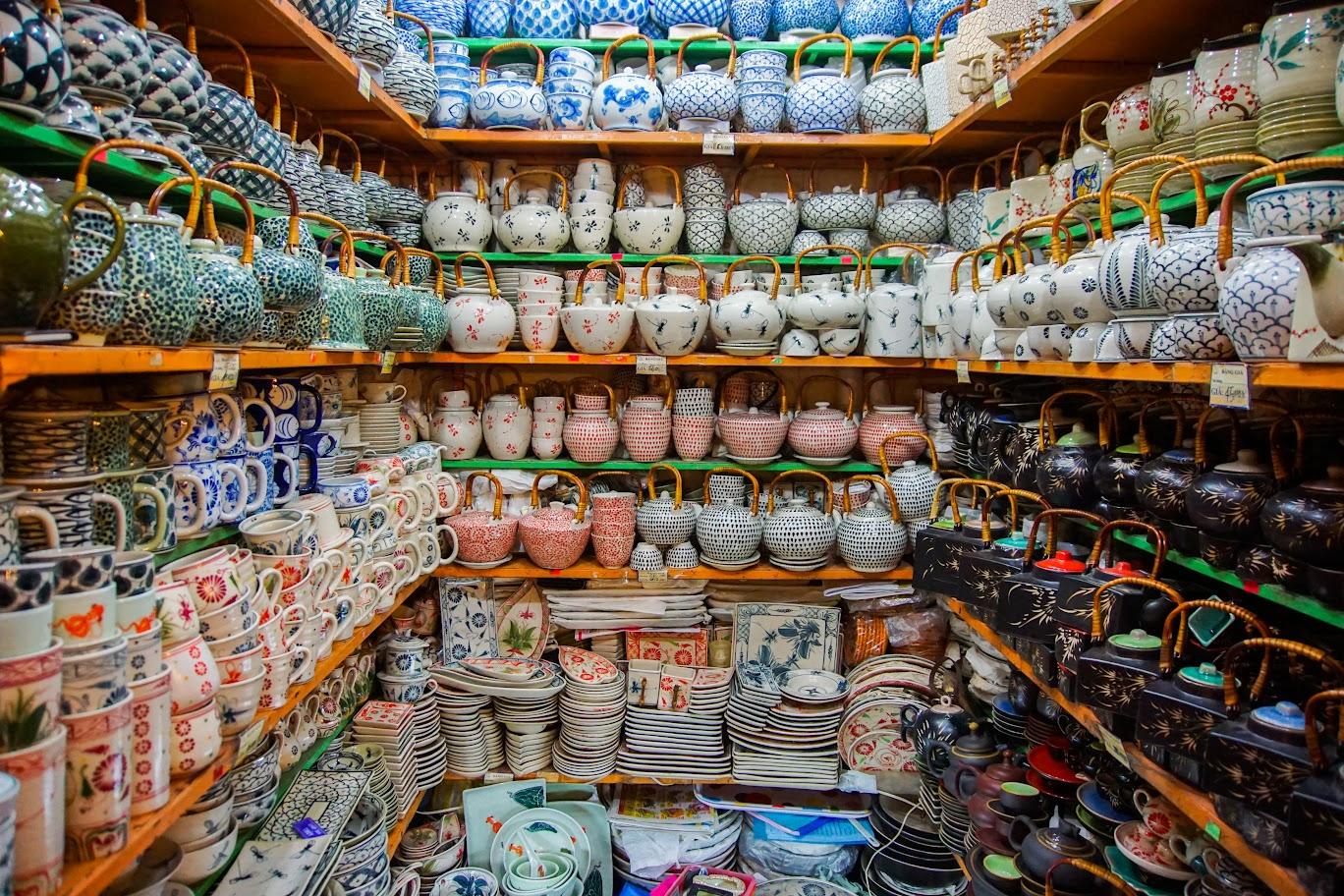
Vietnam is a country that you feel as much as you see. It is the cool touch of silk on a humid afternoon, the smell of damp clay drying by the riverbank, and the rhythmic clacking of wooden looms that echoes through narrow village alleys. Beyond the pho and the motorbikes, there is a quieter, deeper layer to this nation—a history written not in books, but in the objects handcrafted in Vietnam. For centuries, entire villages have dedicated themselves to a single trade, passing down secrets of the kiln, the loom, and the chisel from father to son, mother to daughter. These crafts in Vietnam are not merely merchandise for tourists; they are the tangible soul of a resilient people who have always found beauty in the materials of their native soil. Whether you are a collector or simply a traveler looking for a memory to hold onto, exploring these artisan traditions offers a window into the country’s past that museums cannot replicate. For travelers seeking a comfortable base to explore these artistic treasures, Little Charm Hostel offers a welcoming gateway to the heart of local culture.
1. The Soul of the Soil: Bat Trang Ceramics
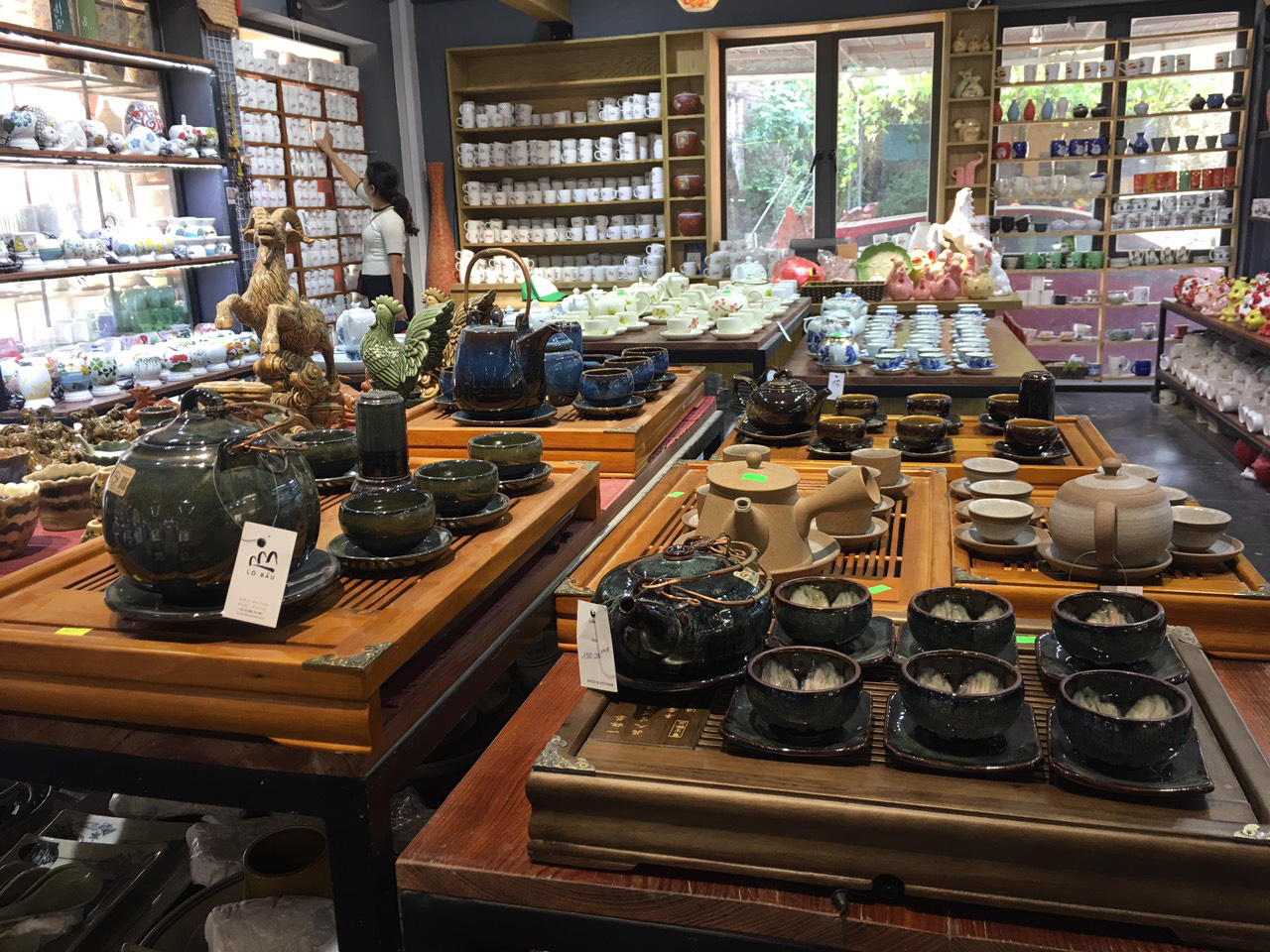 When discussing Vietnam crafts, one must begin with the earth itself. Located just 13km from the center of Hanoi, Bat Trang has been the ceramic heart of the Red River Delta for over seven centuries. The village was established here because of the rich deposits of white clay, which artisans have transformed into everything from simple household bowls to magnificent, royal-grade porcelain. Walking through the village today, you are surrounded by the history of the trade; narrow lanes are lined with drying wares, and the heat from family kilns warms the air.
A local artisan once told me, “Mud and clay are the flesh and bone, but the fire is the soul of the pottery.” This philosophy is evident in every piece, particularly those featuring the classic blue dragonfly or lotus motifs. For a truly immersive experience, you can sit behind a potter’s wheel and shape your own clay for a small fee (usually around 50,000 to 200,000 VND), a tactile memory of your time in the north.
-
Location: Bat Trang Commune, Gia Lam District, Hanoi (accessible by Bus 47A from Long Bien).
-
Opening Hours: Shops generally open from 8:00 AM to 5:30 PM daily.
-
Shopping Tip: Check the bottom of the pottery for the “Bat Trang” seal to ensure it is authentic.
2. Threads of Elegance: Van Phuc Silk
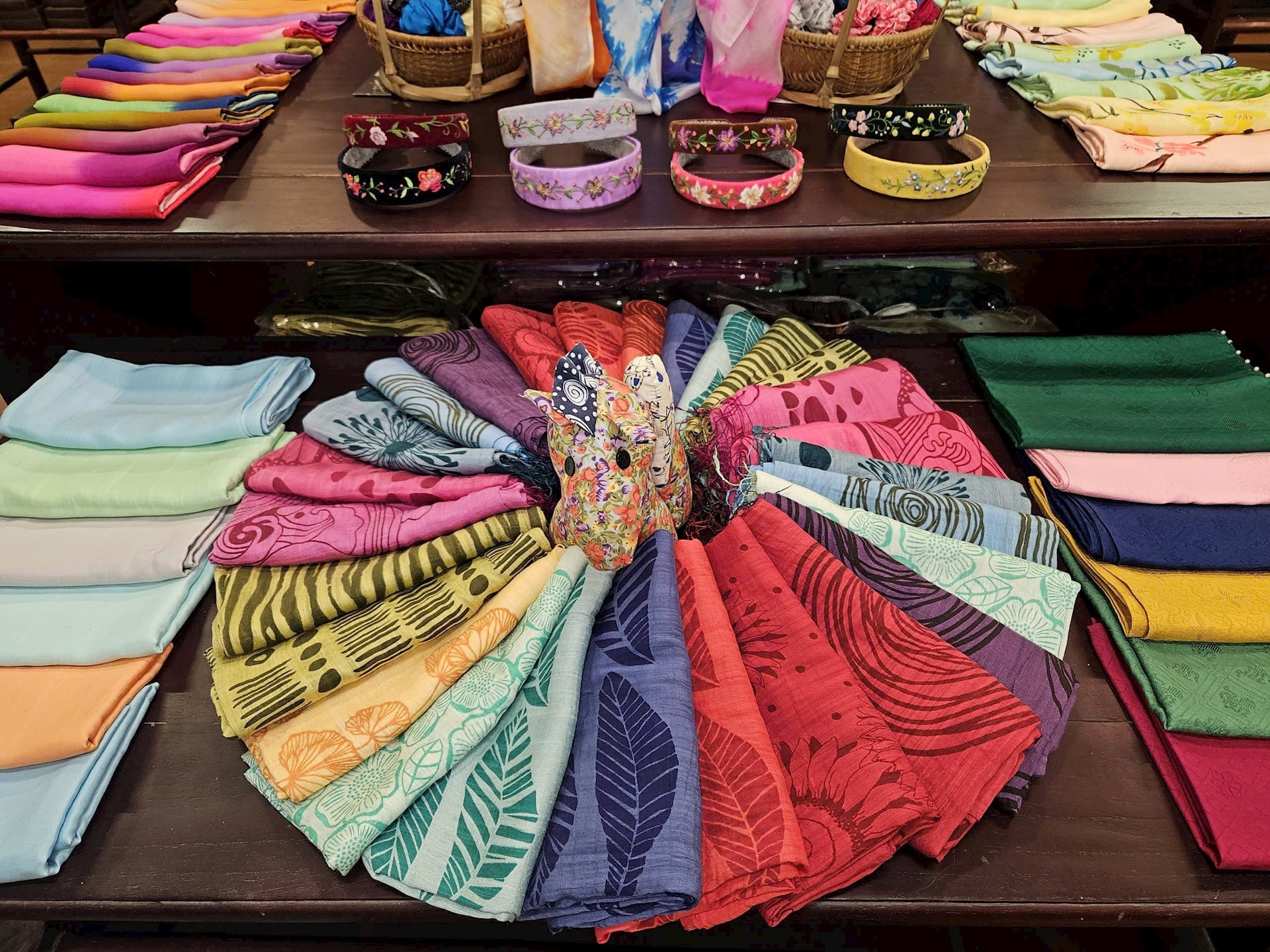 While pottery represents the earth, the crafts of Vietnam also extend to the delicate art of adorning the body. Van Phuc Silk Village, located about 10km from Hanoi in the Ha Dong District, is famed for its “Ha Dong silk,” a fabric so fine it was once reserved exclusively for the Nguyen Dynasty royalty. The silk here is renowned for being cool in the summer and warm in the winter, a perfect adaptation to the tropical climate.
The production process is a labor of love that has remained largely unchanged for over 1,000 years. Visitors can watch the entire lifecycle of the craft, from the raising of silkworms to the rhythmic clatter of traditional looms weaving complex patterns. Furthermore, unlike mass-produced textiles, this silk possesses a natural sheen and durability that synthetic fabrics cannot mimic. It is a material that breathes, much like the village itself, which has survived wars and modernization to keep its looms running.
-
Location: Van Phuc Ward, Ha Dong District, Hanoi.
-
Buying Tip: To test for genuine silk, a few loose threads can be burned; real silk burns to a fine ash and smells like burnt hair, whereas synthetic blends melt into hard plastic.
3. Painted Stories: Dong Ho Folk Paintings
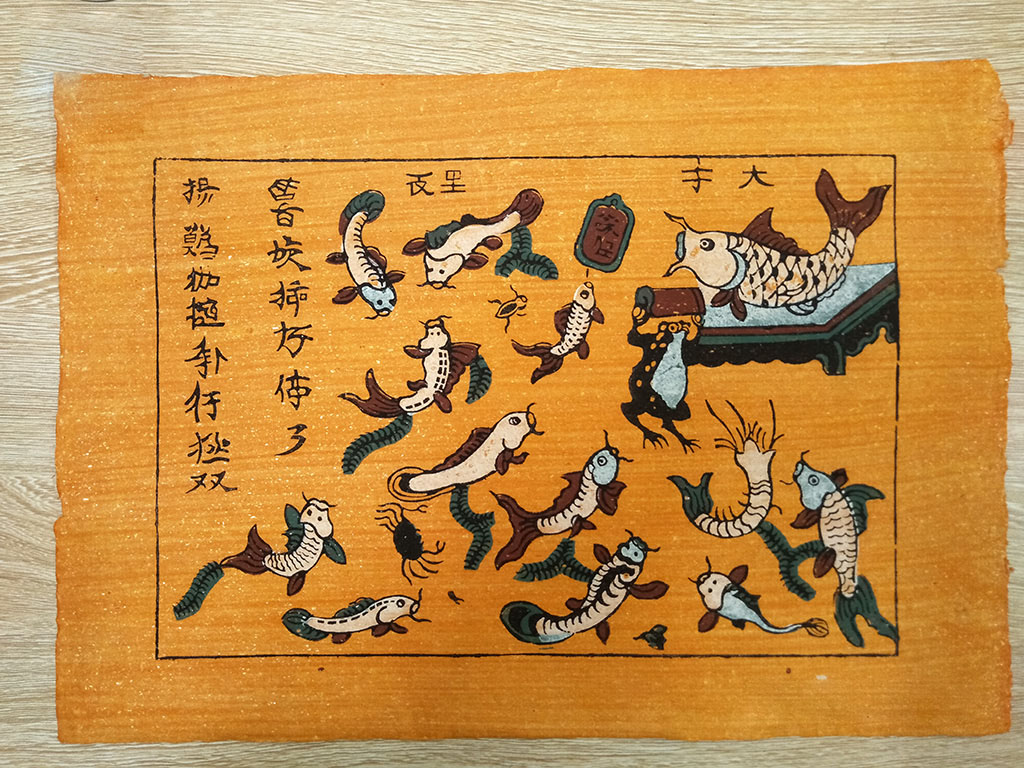 Travel 35km east of Hanoi to Bac Ninh Province, and you will find a visual art form that captures the rustic charm of the Red River Delta: Dong Ho folk paintings. These prints are unique among Vietnamese crafts because of their materials. The paper is made from the bark of the “Do” tree, coated with a layer of scallop shell powder (diep) to create a glittering background. The colors are entirely natural: black from burnt bamboo leaves, green from indigo, and red from soft gravel.
Historically, these paintings were bought during the Lunar New Year (Tet) as wishes for prosperity and luck. Each image tells a story, from the famous “Rat’s Wedding” to scenes of picking coconuts, serving as a mirror of rural society and its simple dreams. As the historian Huu Ngoc observed, these paintings reflect the “optimism and humor of the Vietnamese peasant.” Owning a print is like owning a piece of Vietnamese folklore.
-
Location: Song Ho Commune, Thuan Thanh District, Bac Ninh Province.
-
Price: Small prints can cost as little as 20,000 VND, while framed, complex pieces are higher.
4. Echoes of the Past: Water Puppets and Antique Dolls
 For those fascinated by performance and history, the search for Vietnamese dolls antique leads to the captivating world of water puppetry. Originating in the flooded rice paddies of the 11th century, this art form uses puppets carved from light fig wood, which are then lacquered to make them water-resistant. The Thang Long Water Puppet Theatre in Hanoi is the premier place to witness these wooden figures dance over the water’s surface, telling legends of dragons and harvest festivals.
Beyond the stage, there is a thriving market for vintage puppets and traditional dolls dressed in the colorful regalia of Vietnam’s 54 ethnic groups. Collectors prize these items for their intricate, hand-sewn garments and the visible wear that tells the story of their use. Moreover, owning one of these figures is like keeping a guardian of Vietnam’s folklore on your shelf. While modern reproductions are common, dedicated antique shops on Hang Gai Street often hold older, character-filled pieces that were once used in village ponds.
-
Performance Location: 57B Dinh Tien Hoang, Hoan Kiem, Hanoi.
-
Ticket Price: 100,000 – 200,000 VND depending on seat class.
-
Showtimes: Typically 15:00, 16:10, 17:20, 18:30, and 20:00 daily.
5. The Gloss of Time: Lacquerware (Son Mai)
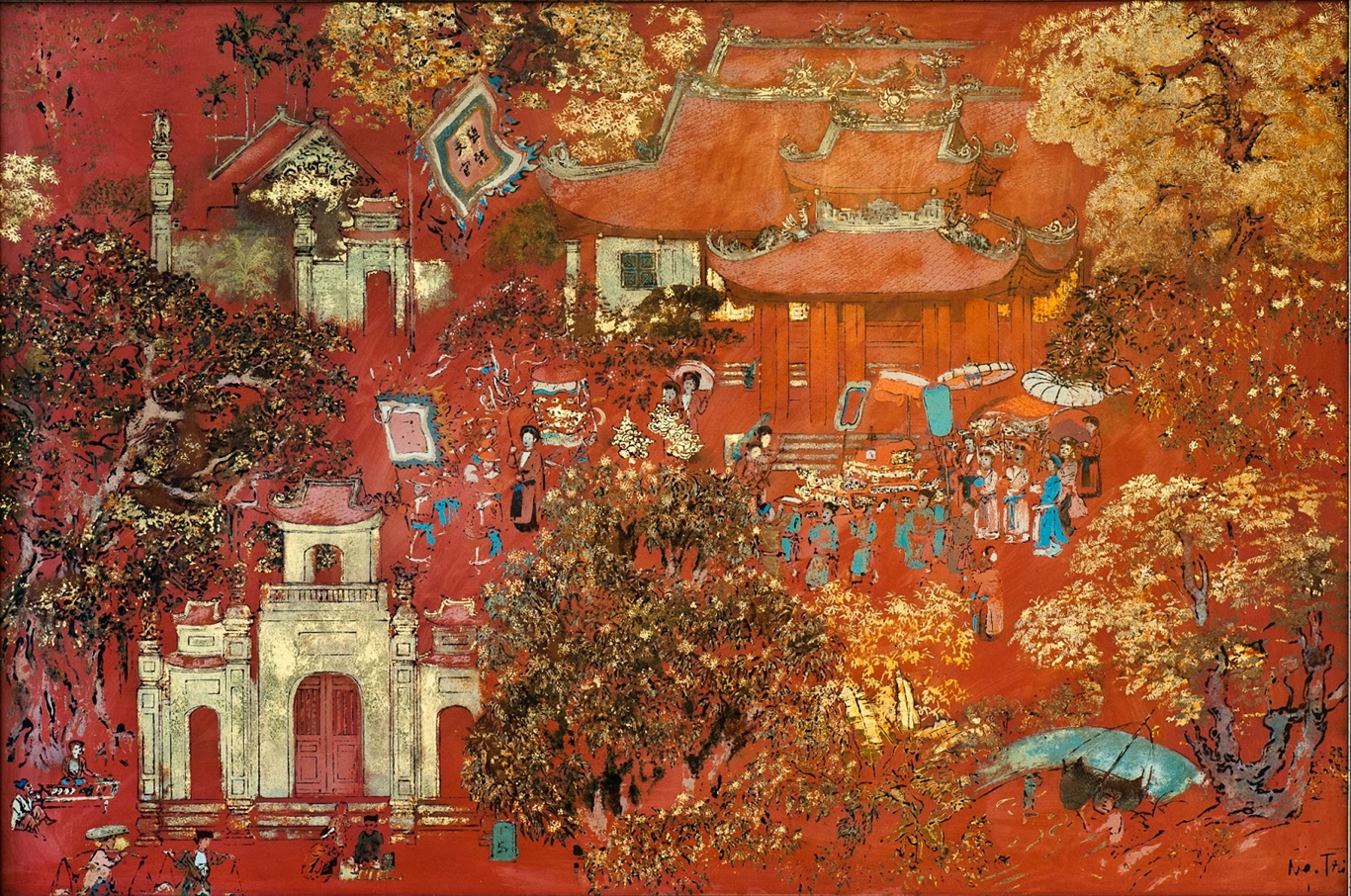 Perhaps the most sophisticated of all Vietnamese crafts is lacquerware, or “Son Mai.” This is not a simple painting technique but a grueling process that can take months to complete. Artisans at the Ha Thai Lacquer Village, south of Hanoi, apply layer upon layer of resin extracted from the lacquer tree. Between each layer, the piece must be dried and sanded in water, then polished with coal and the artisan’s bare hands until the surface is deep and mirror-smooth.
The designs often incorporate crushed eggshells, mother-of-pearl, and gold leaf, creating a shimmering effect that seems to glow from within. Consequently, this art form transforms simple wood or bamboo into durable, glistening masterpieces that can withstand humidity and time. Whether it is a small jewelry box or a large wall panel, lacquerware represents the patience and perfectionism of the Vietnamese artisan.
-
Location: Ha Thai Village, Duyen Thai Commune, Thuong Tin, Hanoi.
-
Shopping: High-quality vases, bowls, and paintings are widely available in the Old Quarter, but visiting the village ensures better prices and provenance.
6. Carrying a Piece of Vietnam Home
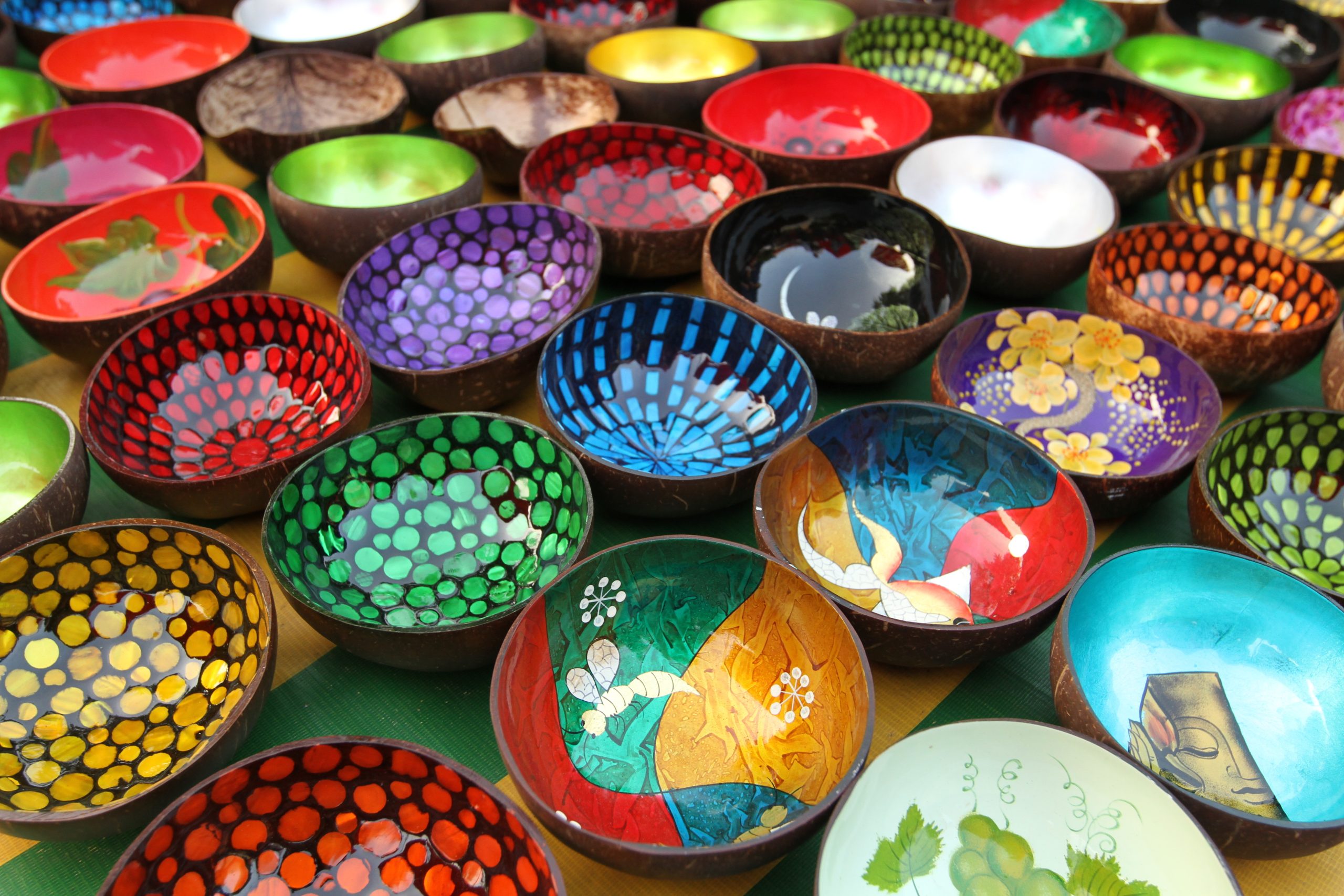 When you purchase an item handcrafted in Vietnam, you are taking home more than just a souvenir. You are carrying a tangible connection to the country’s spirit—a piece of the earth from the Red River, a thread spun in a sun-drenched village, or a woodblock print that has hung in a farmer’s home for Tet. These objects age beautifully, their colors softening and their textures smoothing over the years, serving as a quiet reminder of the humid air, the bustling markets, and the dignity of the hands that made them. I encourage you to look beyond the mass-produced trinkets and invest in these pieces of true craftsmanship. By doing so, you help keep the fires of the kilns burning and the looms singing for generations to come.