
A Journey Through Vietnamese Headdress History and Culture
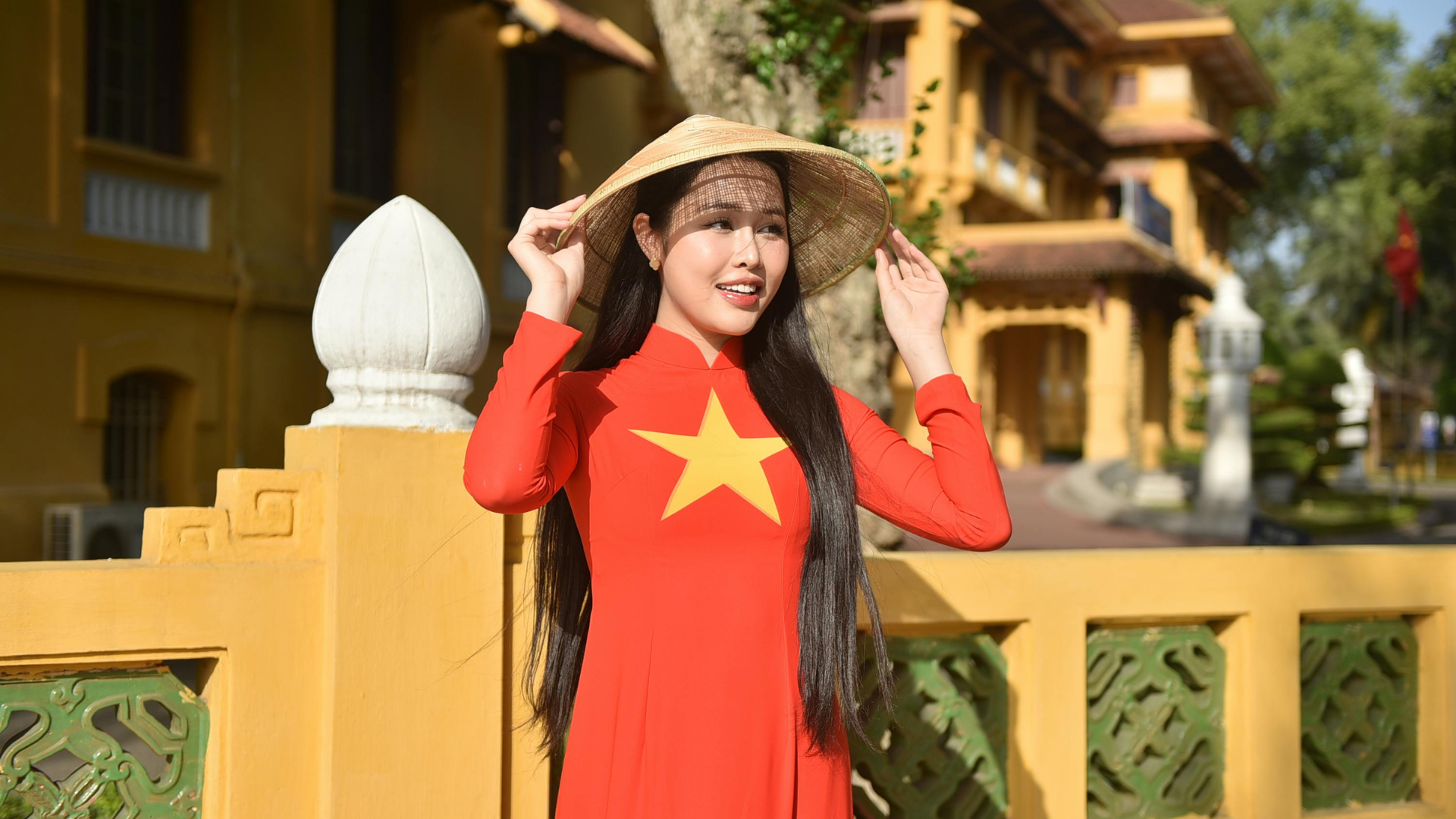
Vietnam’s story is often visually summarized by a single silhouette: the graceful conical hat. However, having lived and traveled here for over a decade, I can tell you that the country’s headwear history is far more intricate than just one iconic item. From the royal courts of Hue to the vibrant highlands of the North, what people wore on their heads has always been a powerful language of status, region, and artistry. To truly understand Vietnam, one must look above the eyes. This article delves into the fascinating world of Vietnamese headdresses, offering a glimpse into the nation’s soul. For those staying with us at Little Charm Hostel, this guide will add a layer of depth to your street explorations.
1. The Non La: More Than Just a Hat
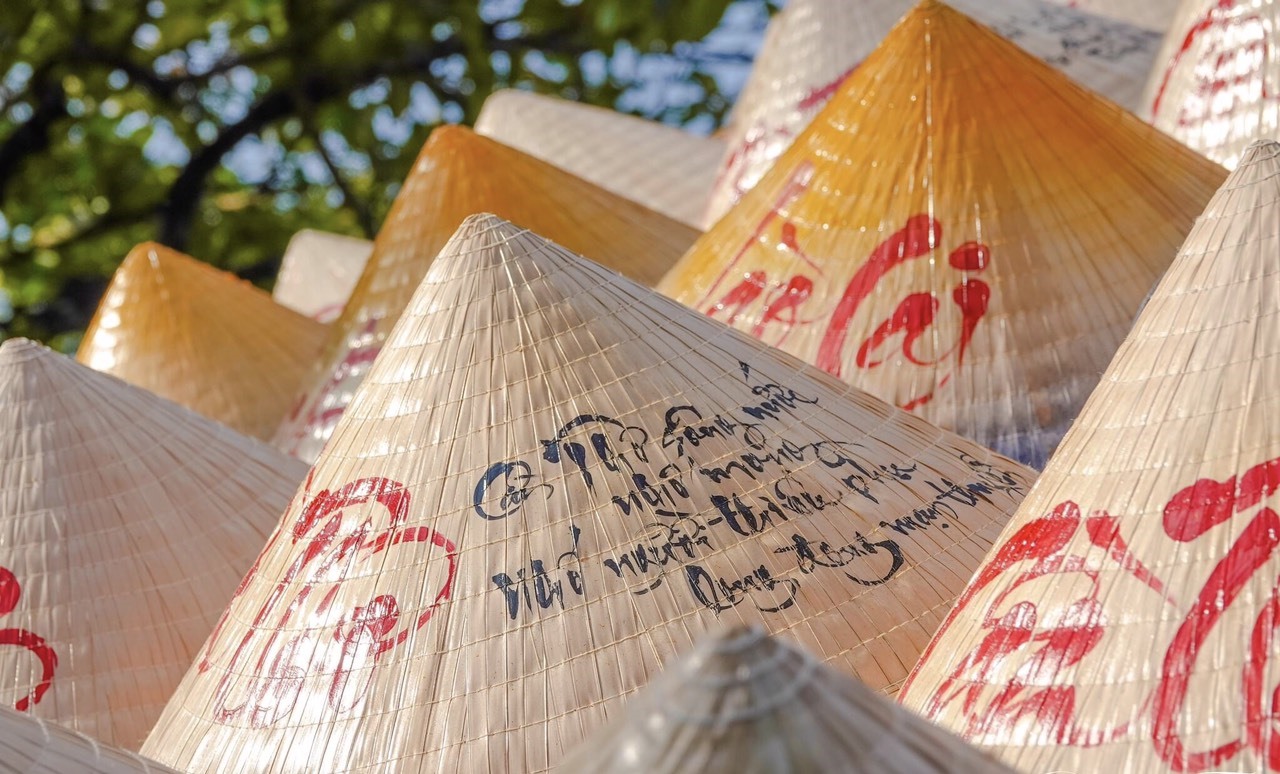 While it appears simple, the Non La (conical hat) is an engineering marvel with a history spanning over 3,000 years. Legend says it was inspired by a giant goddess who wore four large leaves stitched together to protect humanity from a deluge.
-
The Design: It is not just about keeping the sun off; the conical shape is designed to withstand tropical monsoons, allowing rain to slide off effortlessly.
-
Variations: You will find the Non Bai Tho (poem hat) in Hue, where verses are hidden between layers of leaves, only visible when held up to the light.
-
Cultural Staple: It remains the most democratic of items, worn by rice farmers and fashionistas alike.
Consequently, the hat has become a symbol of resilience. As the famous Vietnamese poet Nguyen Khoa Diem once noted about the country’s spirit, “The shape of the country is the shape of the hat,” implying that the humble Non La protects the soul of the nation just as it protects the wearer.
2. The Non Quai Thao: The Soul of the North
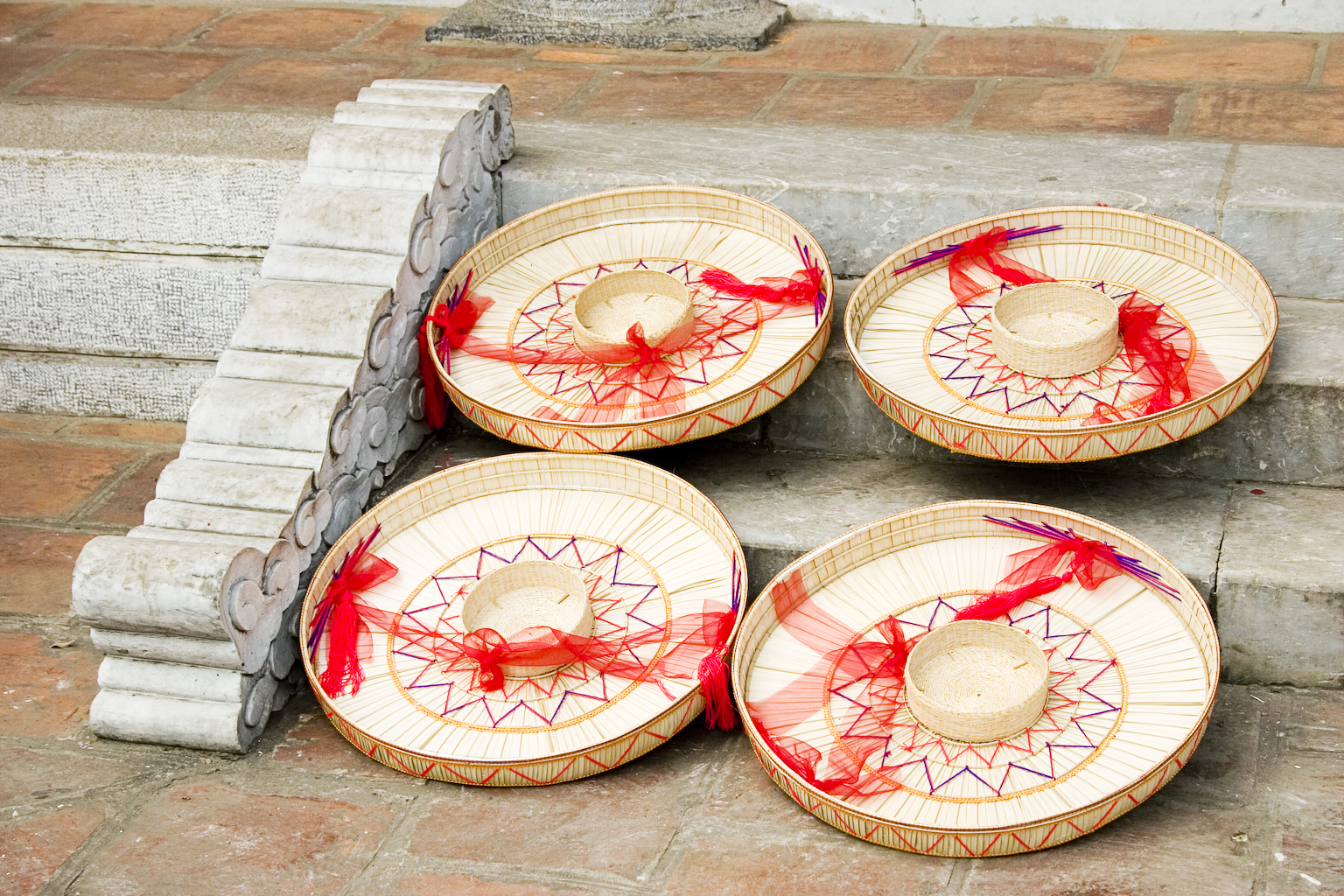 If you travel to the Red River Delta during a festival, you will likely see the Non Quai Thao (or Non Ba Tam). Unlike the conical Non La, this hat is flat and round, resembling a large platter, often measuring over a meter in diameter.
-
Significance: Historically, it was a symbol of feminine grace in the North, often paired with the Ao Tu Than (four-part dress).
-
The Strap: The defining feature is the Quai Thao—a magnificent silk strap that hangs down like jewelry, rather than just a functional chin strap.
-
Quan Ho Connection: It is inextricably linked to Quan Ho folk singing in Bac Ninh, where female singers use the hat as a prop to express shyness or flirtation during performances.
Furthermore, the Non Quai Thao is rarely used for daily labor anymore. Instead, it serves as a ceremonial object, preserving the aesthetic standards of ancient northern women.
3. The Khan Dong and Khan Xep: The Turban of Dignity
 While the hats mentioned above are for outdoors, the Khan Dong (or Khan Xep) is the formal headwear of choice, traditionally worn with the Ao Dai.
-
Structure: Unlike the Indian turban which is wrapped daily, the Vietnamese version is often a pre-stitched, donut-shaped fabric halo that sits like a crown.
-
Gender and Status: Both men and women wear them. For men, the folds are arranged meticulously to form the shape of the Chinese character “Nhan” (Human) at the center forehead, symbolizing Confucian virtues.
-
Evolution: Once made of simple cotton, modern versions use silk or brocade, essential for weddings and Tet (Lunar New Year).
In addition, the color of the turban historically denoted rank. Yellow was reserved for royalty, while black or dark blue was for commoners and scholars. Today, however, bright colors are embraced for celebrations.
V. The Crown of the Highlands: Ethnic Minority Headdresses
My travels to Sapa and Ha Giang revealed that the most spectacular headwear belongs to the ethnic minorities.
-
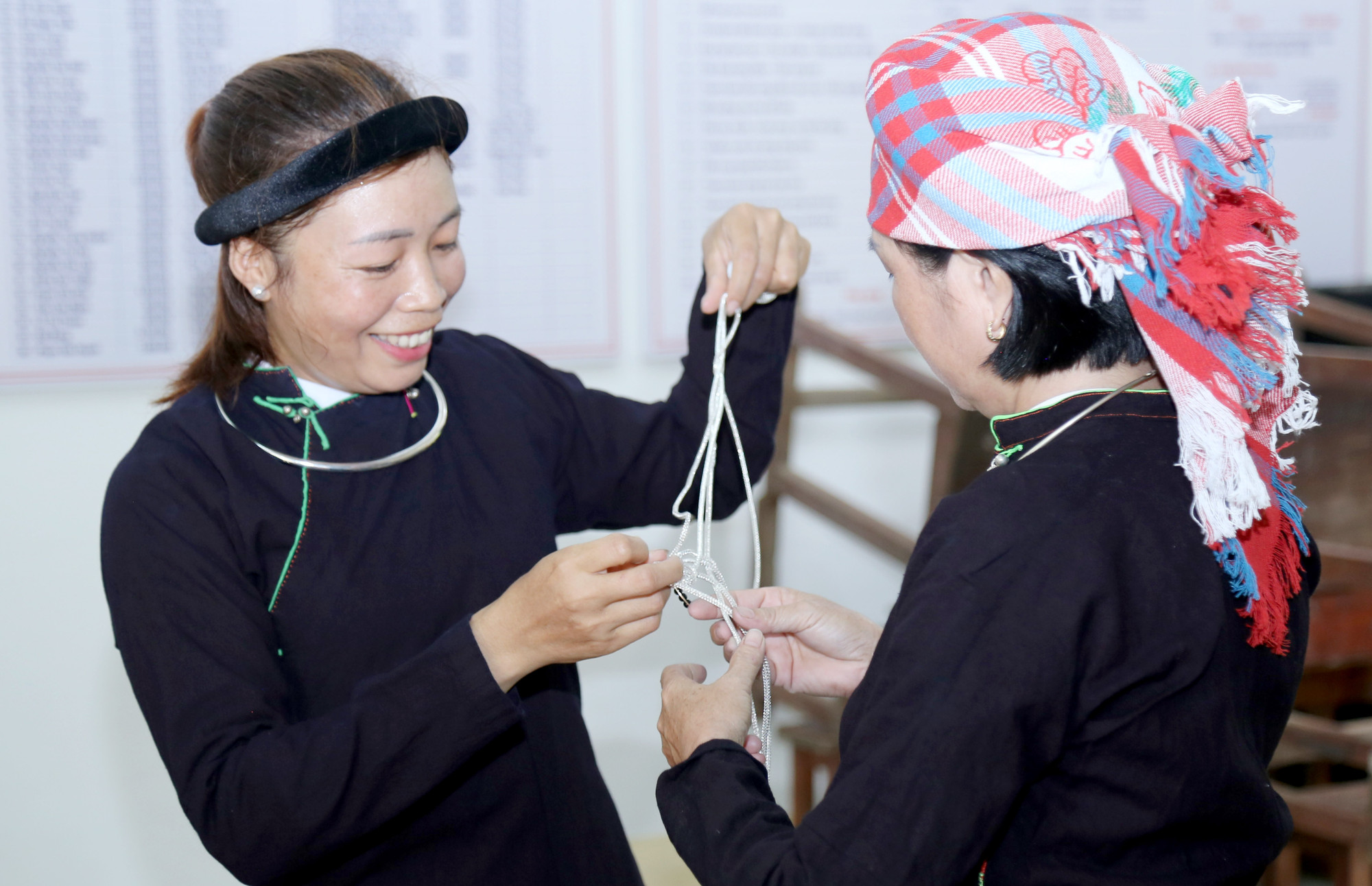
The Red Dao: Women shave their eyebrows and foreheads to wear a towering red headdress, often wrapped in a square shape and adorned with silver bells.
-
The Hmong: Their headdresses vary wildly by subgroup. Black Hmong wear pillbox-style hats, while Flower Hmong wear colorful, beaded headscarves that take months to embroider.
-
Ha Nhi: Known for intricate braided wigs that are an extension of their own hair, weighing heavily with cultural pride.
Moreover, these headdresses are not merely decorative; they often indicate marital status and age. A woman’s headdress is her identity card, woven from thread and silver.
4. Where to See and Buy Authentic Headwear
 To see these artifacts up close, you need to know where to look.
-
Vietnamese Women’s Museum (Hanoi): Offers the best collection of ethnic and historical headdresses.
-
Address: 36 Ly Thuong Kiet, Hoan Kiem.
-
Ticket: ~40,000 VND.
-
Opening Hours: 8:00 AM – 5:00 PM.
-
-
Chuong Village (Hanoi): Famous for making traditional conical hats. You can buy directly from artisans here.
-
Location: Thanh Oai District (approx. 30km from Hanoi center).
-
-
Old Quarter Markets: Good for souvenirs, but for authentic Khan Dong, look for traditional tailors on Luong Van Can Street.
Therefore, visiting these locations supports local artisans and helps preserve these dying crafts.
5. Woven Narratives of a Nation
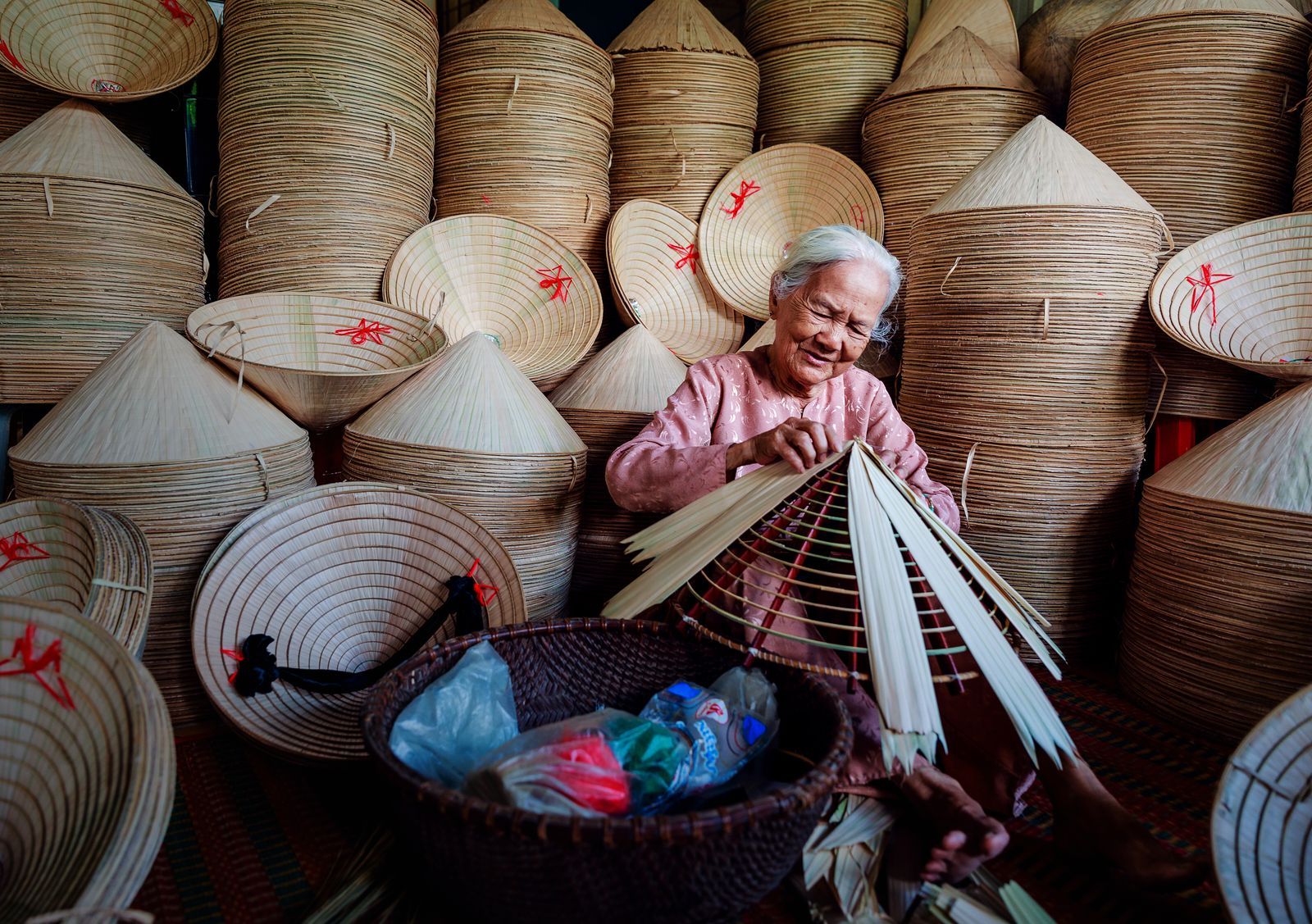 Vietnam’s headdresses are more than mere accessories; they are woven records of history, climate, and identity. Whether it is the practical genius of the Non La or the intricate embroidery of a Hmong crown, each piece tells a story of resilience and beauty. I hope this guide inspires you to look closer at the crowds around you as you traverse this incredible country. There is magic in the details, and Vietnam is waiting for you to discover it.