
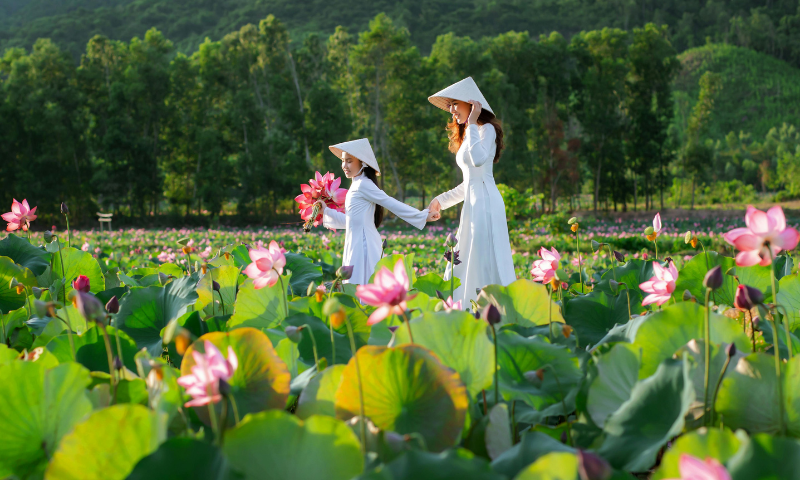
Shaped by over a thousand years of history, the culture of Vietnam presents a captivating blend of ancient customs and modern-day resilience. This rich tapestry is woven from indigenous traditions, Chinese Confucian influences, and a touch of French colonial charm, creating a unique identity that fascinates every visitor. For any traveler, scratching beneath the surface to understand the local etiquette and values is the key to unlocking a truly immersive experience. Understanding these core aspects of Vietnamese culture will not only enrich your journey but also foster a deeper connection with the people and their way of life. This article will explore ten essential facts that provide a window into the nation’s soul. To help you navigate this incredible country, this guide is proudly shared by Little Charm Hostel.
1. A Deeper Look into Vietnamese Culture
1.1. Ancestor Worship: The Spiritual Heart of the Home
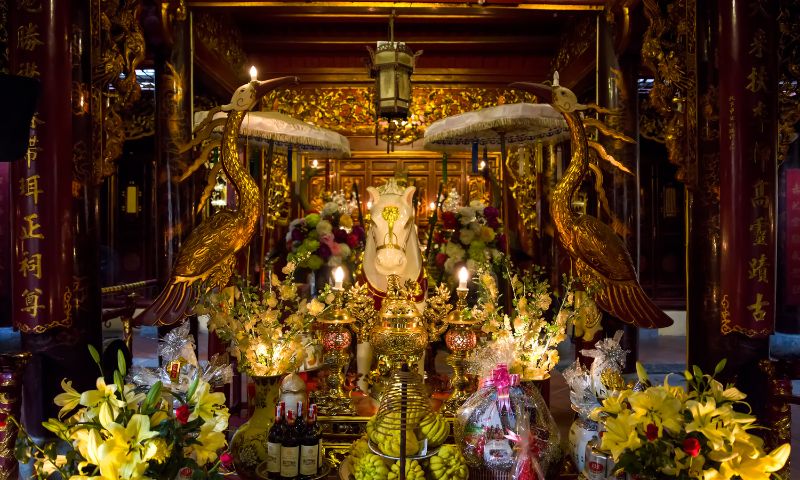 At the core of Vietnamese culture lies the profound tradition of ancestor worship. It’s a practice rooted in filial piety and the belief that the spirits of ancestors continue to influence the lives of the living. You will find a small, often ornate, altar in nearly every Vietnamese home and business, which serves as the spiritual heart of the household. This altar is meticulously cared for, featuring photos of deceased relatives, incense burners, fresh flowers, and food offerings. This act of remembrance is not just reserved for death anniversaries; it is a daily ritual of respect that strengthens family bonds across generations. During major holidays, especially Tet (Lunar New Year), this practice becomes even more significant as families gather to report to their ancestors, seek blessings, and maintain a connection that transcends the physical world, making it one of the most enduring elements of culture in Vietnam.
1.2. The Ao Dai: An Emblem of Elegance and National Pride
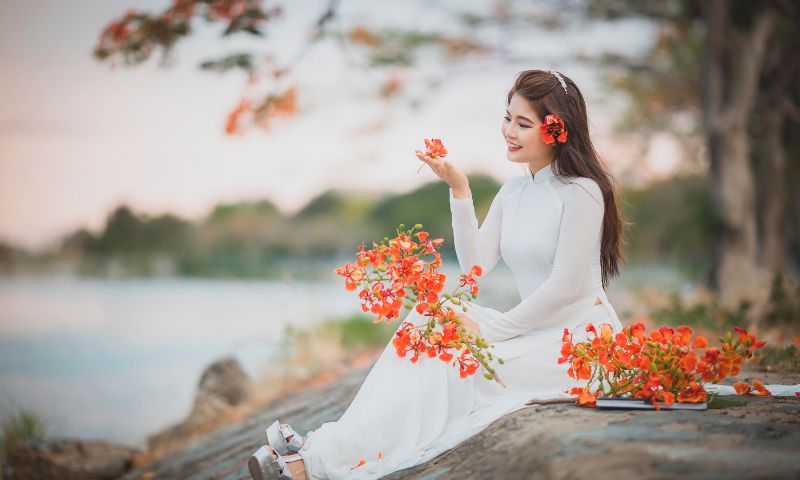 The Ao Dai, a graceful tunic worn over loose-fitting trousers, is more than just a traditional Vietnamese garment; it is a powerful symbol of elegance and national pride. Its form-fitting silhouette is celebrated for its beauty, modesty, and ability to flatter any figure. While its origins trace back centuries, the modern Ao Dai has evolved into a cherished icon of Vietnamese identity. You will often see it worn during formal occasions like weddings and the Tet holiday. In historic cities such as Hue, it remains the uniform for high school girls, their white tunics creating a poetic sight as they bike home from school. The Ao Dai embodies the gentle yet resilient spirit of the Vietnamese people, making it a visually stunning representation of the nation’s culture.
1.3. A Deep-Rooted Coffee Culture
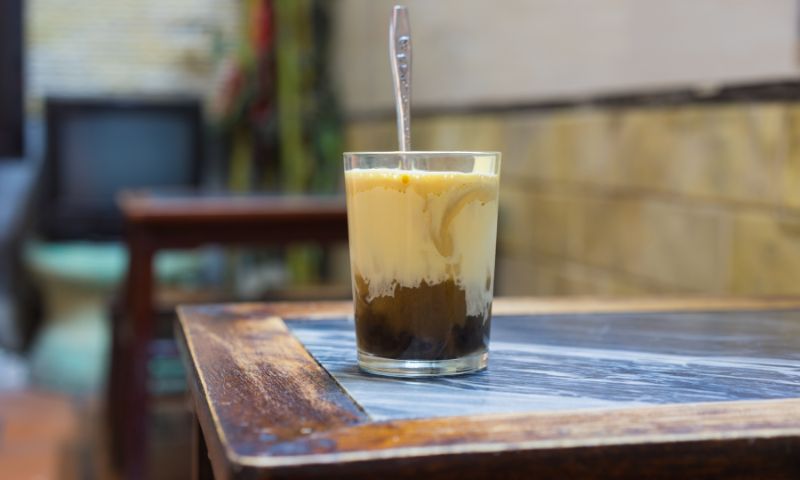 While Vietnam is famous for its ancient temples and stunning landscapes, it’s also a global powerhouse in the world of coffee. As the second-largest coffee exporter worldwide, Vietnam has cultivated a unique and deeply ingrained coffee culture. Vietnamese coffee is typically made from the robusta bean, giving it a strong, bold flavor. The most iconic preparation is ca phe sua da—dark roasted coffee dripped through a filter (phin) over sweetened condensed milk and then poured over ice. For something truly unique, the ca phe trung (egg coffee) of Hanoi is a must-try, a rich and creamy concoction that tastes more like a dessert. In Vietnam, coffee shops are more than just places to get a caffeine fix; they are social hubs where people gather to chat, work, and watch the world go by.
1.4. Water Puppetry: A Unique Performing Art
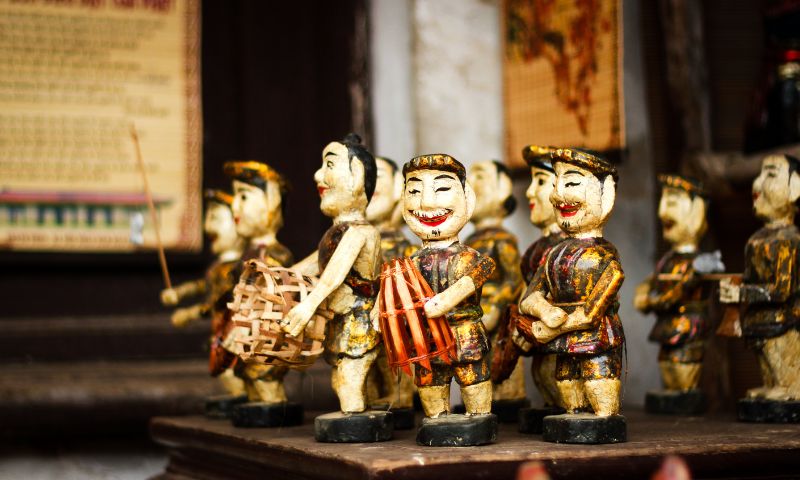 Originating over a thousand years ago in the rice paddies of the Red River Delta, water puppetry is a traditional performing art that is uniquely Vietnamese. This captivating spectacle involves skilled puppeteers standing behind a screen in a waist-deep pool of water, maneuvering beautifully lacquered wooden puppets using long bamboo rods hidden beneath the surface. The stories, accompanied by a live traditional orchestra, depict scenes of rural life, historical legends, and folklore, often with a humorous twist. The shimmering water acts as the stage, concealing the puppeteers’ magic while creating a lively and enchanting atmosphere. This art form offers a delightful glimpse into the nation’s agricultural roots and creative spirit, with famous theaters in Hanoi keeping this ancient culture alive for modern audiences.
1.5. The Conical Hat (Non La): A Timeless Symbol
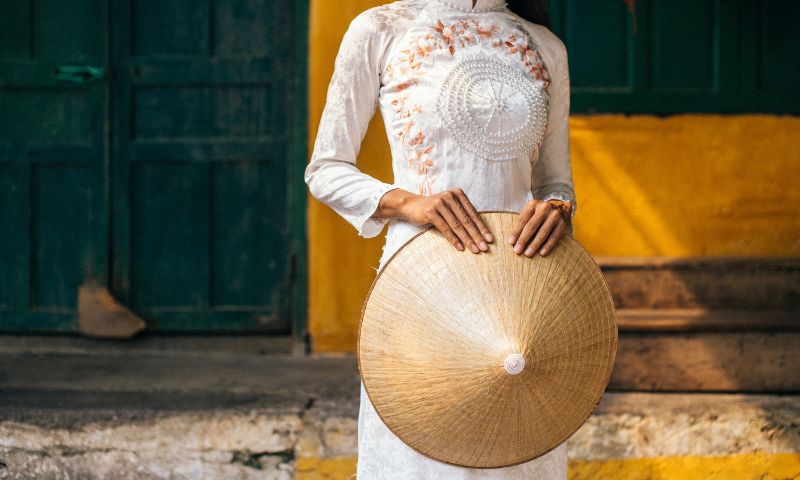 The Non La, or conical hat, is an enduring and iconic symbol of Vietnam. Its simple, elegant design is a testament to Vietnamese ingenuity and practicality. Made from palm leaves and bamboo, this lightweight hat has been a companion to farmers, vendors, and laborers for centuries, providing essential protection from both the scorching sun and sudden downpours. Beyond its practical use, the Non La is an object of cultural significance, often associated with the hardworking spirit and rustic beauty of rural Vietnam. The craftsmanship involved in creating a Non La is a meticulous process passed down through generations in craft villages, making each hat a piece of living history and a quintessential part of the Vietnamese visual identity.
1.6. The Importance of Family and Social Hierarchy
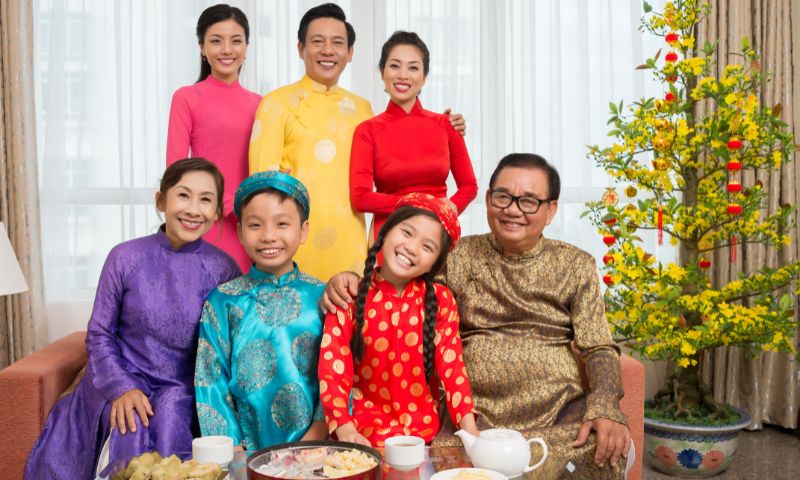 The family unit is the bedrock of Vietnamese society, and its structure is deeply influenced by Confucian values. This philosophy emphasizes filial piety, duty, and a profound respect for elders. In Vietnamese culture, a strict social hierarchy is observed, where age and status dictate how people interact. This is most apparent in the language, which uses a complex system of pronouns to define relationships and show deference. For example, one would never address an elder by their first name. This reverence for elders and adherence to social order extends from the home to the workplace and community, creating a society built on mutual respect, collective responsibility, and strong interpersonal bonds.
1.7. Tet Trung Thu: The Magical Mid-Autumn Festival
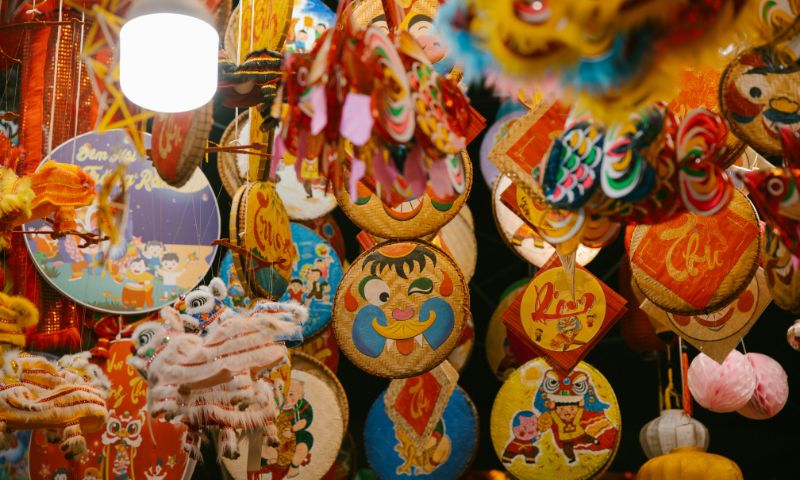 Tet Trung Thu, the Mid-Autumn Festival, is one of the most enchanting and beloved celebrations in Vietnam. Held on the 15th day of the eighth lunar month, it is often called the “Children’s Festival” because it is a time dedicated to their joy and happiness. The streets come alive with vibrant lion dances, and the air fills with the sweet aroma of mooncakes, the festival’s signature treat. The most magical part of Tet Trung Thu is the sight of children parading through the streets under the full moon, holding brightly colored lanterns of all shapes and sizes, from traditional stars and carps to modern cartoon characters. This festival is a beautiful expression of family togetherness and cherished childhood memories within Vietnamese culture.
1.8. The Kingdom of Motorbikes
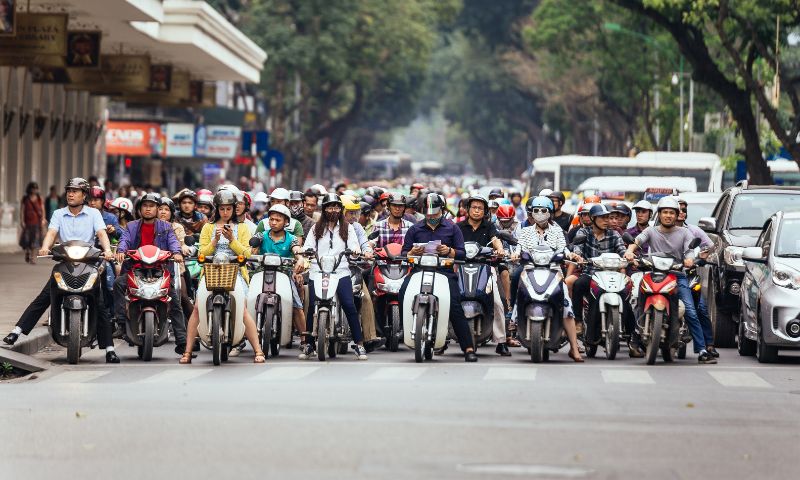 To truly understand modern Vietnam, one must experience its motorbike culture. With millions of scooters and motorbikes navigating the streets of cities like Hanoi and Ho Chi Minh City, the traffic can seem like a chaotic, flowing river. However, there is an unspoken rhythm to this flow that locals navigate with incredible skill. Motorbikes are the primary mode of transportation for the vast majority of the population, used for everything from daily commutes to transporting goods—it’s not uncommon to see a bike laden with anything from live pigs to towering stacks of furniture. This vibrant and ever-present aspect of daily life is more than just transportation; it is a symbol of the country’s energy, resourcefulness, and the unstoppable pulse of its cities.
1.9. A Tonal Language with a Latin Alphabet
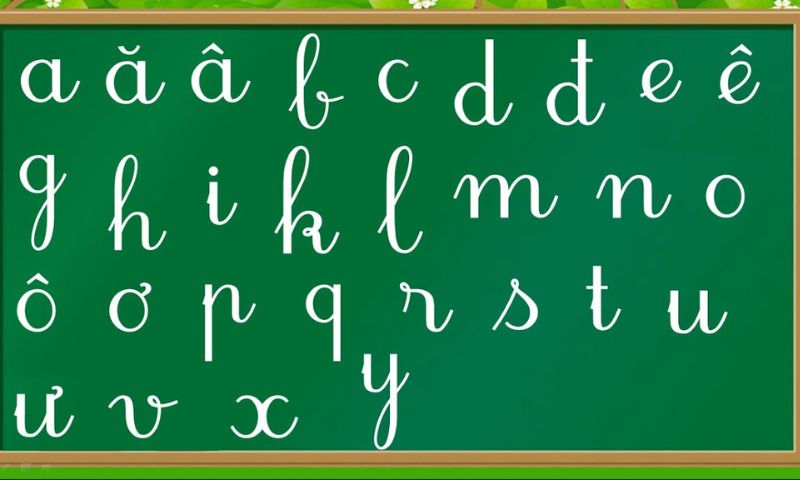 The Vietnamese language, or tieng Viet, is both beautiful and complex, presenting a unique challenge to learners. It is a tonal language with six distinct tones, meaning the pitch and inflection with which a word is spoken dramatically changes its meaning. For instance, the simple syllable “ma” can mean “ghost,” “mother,” “but,” “tomb,” “horse,” or “rice seedling” depending entirely on the tone used. What makes the language more accessible, however, is its written script, Quoc Ngu. Developed by 17th-century European missionaries, it uses the Latin alphabet with added diacritics to denote tones. This historical quirk makes reading and writing Vietnamese far less intimidating for foreigners than other character-based Asian languages, providing a fascinating intersection of Eastern and Western culture.
1.10. Street Food: The Nation’s Culinary Stage
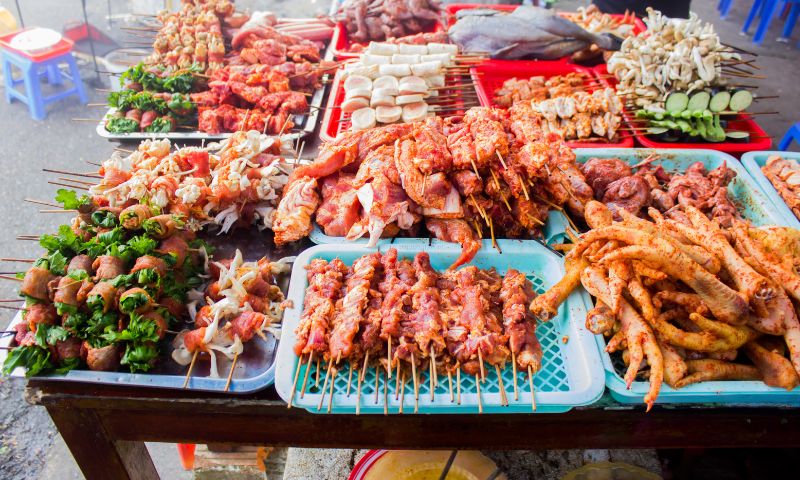 Street food is not just a trend in Vietnam; it is the heart and soul of its cuisine and an essential part of daily culture. The sidewalks of every city and town are a dynamic culinary stage where some of the most delicious and authentic dishes are served. The late, great chef Anthony Bourdain, who held a deep affection for Vietnamese food, once said, “It’s a symphony of textures and flavors.” This is perfectly captured in world-famous dishes like Pho, a savory noodle soup; Banh Mi, a flavor-packed baguette sandwich; and the grilled pork noodle dish Bun Cha, a specialty of Hanoi. The quintessential street food experience—sitting on a tiny plastic stool while savoring a meal prepared right before your eyes—is a delicious and immersive way to connect with the local way of life.
2. A Culture of Resilience and Charm
 From the spiritual devotion of ancestor worship to the organized symphony of motorbike traffic in Hanoi, the culture of Vietnam is a powerful and unforgettable experience. The ten facts explored in this article—touching on everything from the timeless elegance of the Ao Dai and the rich flavors of its coffee culture to the communal joy of its street food—offer just a glimpse into a nation with a deep and resilient soul. These traditions reveal a society that honors its long history, cherishes the bonds of family, and moves forward with an inspiring energy. The true magic of Vietnam, however, lies beyond any single fact; it’s in the warmth of a smile from a street vendor, the beauty of a rice paddy at dawn, and the vibrant pulse of daily life. I encourage you to come and immerse yourself in this incredible country, to witness its beauty firsthand, and to let its rich culture capture your heart.