
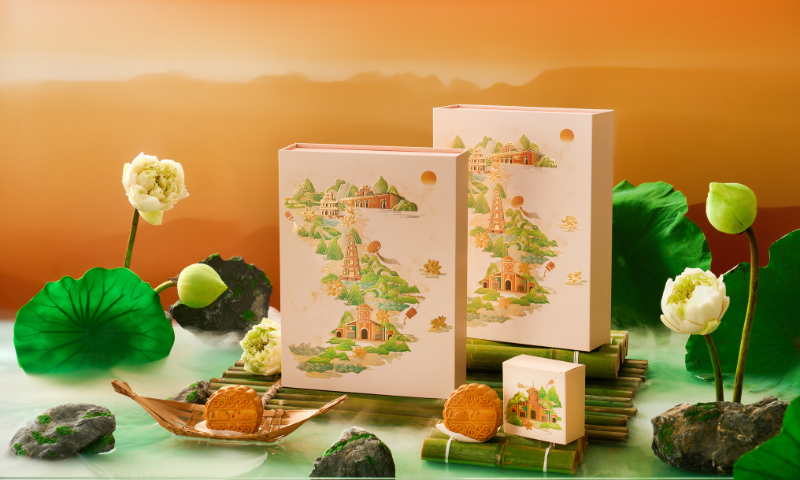
As autumn casts a gentle warmth across Vietnam, the streets transform into a kaleidoscope of color and light, heralding the arrival of the enchanting vietnam mid autumn festival. At the heart of this vibrant celebration is the beloved vietnamese mooncake, or Banh Trung Thu, a dense, ornate pastry that is much more than a simple confection. This iconic mooncake vietnam serves as a profound symbol of family reunion, completeness, and gratitude, intricately linked with the traditions of the full moon. The rich, sweet flavors of the classic mooncake vietnamese style are an essential part of the vietnamese mid autumn experience, shared among loved ones under the silvery glow of the night sky. To truly understand the cultural soul of trung thu vietnam, one must partake in this delicious ritual, a culinary centerpiece that brings everyone together during the magical time of mid autumn vietnam. To help you navigate this festive season, Little Charm Hostel offers a perfect starting point for your cultural and culinary explorations.
1. More Than Just a Treat: The Story of the Vietnamese Mid-Autumn Festival
 While mooncakes may be the most famous symbol of the season, the story behind them is rooted in centuries of culture, folklore, and heartfelt tradition. The vietnam mid autumn festival, known locally as Trung Thu Vietnam, is one of the most significant celebrations in the country’s calendar, second only to Tet Nguyen Dan (Lunar New Year). It is a joyous occasion that beautifully intertwines the ancient reverence for the moon, the celebration of a bountiful harvest, and a special focus on the happiness of children, creating a magical atmosphere that captivates locals and travelers alike. Its essence goes far beyond delicious pastries, touching upon the very core of Vietnamese family values and agricultural heritage.
1.1. Echoes of the Harvest: The Origins of Trung Thu
The history of Trung Thu Vietnam stretches back thousands of years, with its origins deeply embedded in the wet rice civilization of the Red River Delta. Traditionally held on the 15th day of the eighth lunar month, the festival marks the time of the brightest and fullest moon of the year, coinciding with the end of the main harvest season. It was originally a time for farmers to relax and celebrate a successful crop, offering thanks to the heavens and earth for their bounty. Parents, having spent months working in the fields, also used this occasion to reconnect with their children, making up for lost time. Over the centuries, this agrarian celebration evolved, incorporating rich folklore like the legend of Chu Cuoi, the Man on the Moon, who is said to be visible sitting under a banyan tree. Children parade with lanterns to help light the way for Chu Cuoi’s return to Earth, adding a whimsical layer to the festivities and solidifying the festival’s focus on youth and innocence.
1.2. A Festival of Family, Lanterns, and Lion Dances
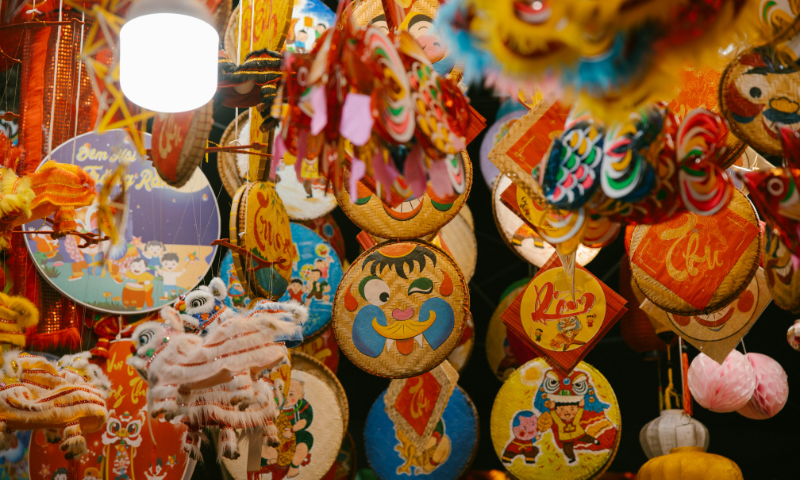
Today, the vietnam mid autumn festival is a vibrant tapestry of cherished traditions centered around family and community. While it is often called the “Children’s Festival,” its most important aspect is family reunion. Generations gather to share tea and mooncakes under the full moon, reinforcing familial bonds. The streets of major cities, especially the Old Quarter in Hanoi and the ancient, lantern-lit town of Hoi An, burst into life with breathtaking displays. Children proudly carry brightly lit lanterns—shaped like stars, carps, or lotuses—in lively parades that fill the night with a warm, festive glow. The air resonates with the thunderous beat of drums accompanying Mua Lan, or Lion Dances. These energetic performances, featuring dancers in elaborate lion costumes, are believed to bring luck and prosperity while warding off evil spirits. Together, these customs create an unforgettable spectacle of sound, light, and community spirit that defines the modern celebration of Trung Thu Vietnam.
2. The Anatomy of a Vietnamese Mooncake: A Tale of Two Textures
 To truly appreciate the vietnamese mooncake, one must understand its delightful complexity. It is a perfect reflection of the Vietnamese culinary philosophy, which values a harmonious balance of textures and flavors. As the celebrated chef Anthony Bourdain once remarked about Vietnamese cuisine, it’s a world of “all of the textures, all of the flavors, all of the smells.” This sentiment is brilliantly captured within the dense, rich confines of a Banh Trung Thu. While countless modern variations exist, the soul of the mooncake vietnam tradition lies in two distinct forms: the golden, baked Banh Nuong, and the soft, snow-white Banh Deo. Each offers a unique sensory journey, representing different facets of the Mid-Autumn celebration.
2.1. Banh Nuong: The Golden-Baked Classic
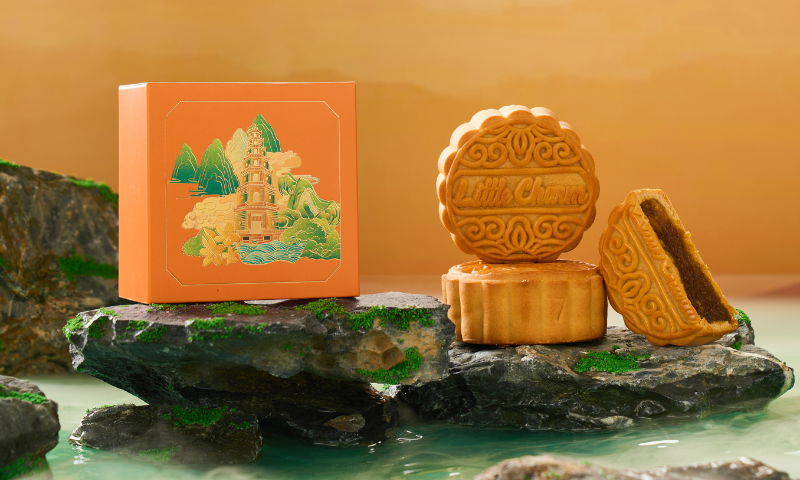
When most people picture a mooncake vietnamese delicacy, they are likely thinking of Banh Nuong. This is the quintessential baked version, characterized by its glossy, golden-brown crust that is pressed into intricate molds bearing symbols of prosperity, longevity, and family harmony. The firm pastry gives way to an incredibly rich and complex filling. The most traditional of these is the thap cam, or mixed combination filling, a fascinating medley that balances sweet and savory notes. Inside, you might find a finely chopped mixture of candied winter melon, roasted watermelon and sesame seeds, lime leaves, and savory elements like Chinese sausage or seasoned roasted pork. At the very center of this confection sits its crowning jewel: one or two salted duck egg yolks. This savory, umami-rich orb represents the full moon and provides a perfect counterpoint to the surrounding sweetness, creating a truly unforgettable flavor profile that is cherished across Vietnam.
2.2. Banh Deo: The Delicate Sticky Rice Mooncake
In elegant contrast to its baked sibling, Banh Deo is a vision of purity and grace. Its name translates to “sticky cake,” a perfect description for its soft, chewy, mochi-like crust. Made from roasted glutinous rice flour, sugar syrup, and fragrant pomelo blossom water, the snow-white exterior is uncooked, giving it a delicate and refreshingly light quality. The fillings for Banh Deo are typically sweeter and simpler than those found in Banh Nuong, often consisting of smooth mung bean paste, lotus seed paste, or sweetened shredded coconut. Because of its fresh ingredients and uncooked nature, Banh Deo is meant to be eaten within a few days of being made. Its pristine white appearance symbolizes the beauty of the full moon and the purity of family bonds. During the festival season, famous confectionary streets like Hang Duong Street in Hanoi’s Old Quarter are lined with vendors proudly displaying both of these beloved mooncake varieties, offering a delicious choice for every palate.
3. A Modern Renaissance: The Evolution of Mooncake in Vietnam
 While the classic mooncake holds an irreplaceable place in the heart of the Mid-Autumn festival, it is by no means a static tradition. In recent years, Vietnam has witnessed a creative renaissance in the art of mooncake making. Driven by a new generation of discerning palates and a desire for innovation, chefs and bakers are reimagining what a mooncake vietnamese delicacy can be. This evolution respects the cultural significance of the pastry while infusing it with contemporary flavors, healthier ingredients, and artistic flair, ensuring that the tradition continues to thrive in the modern era.
3.1. From Traditional Fillings to Gourmet Flavors
The most noticeable shift in the mooncake landscape is the explosion of new and exciting flavors that go far beyond the traditional mixed-nut or lotus seed fillings. Today’s mooncake menus read more like a gourmet dessert list, catering to a wide range of tastes. It’s now common to find mooncakes filled with rich dark chocolate, creamy tiramisu, fragrant matcha, or the ever-popular durian. Health-conscious options have also become prevalent, with bakers using less sugar and incorporating nutritious ingredients like chia seeds, goji berries, and various nuts. This wave of innovation is especially prominent in cosmopolitan hubs like Hanoi, where five-star hotels and chic cafes compete to unveil the most inventive and visually stunning mooncakes each season, transforming the humble pastry into a luxurious, edible work of art.
3.2. The Rise of Artisanal Brands: A Taste of “Charm By Little Charm“
Alongside this flavor revolution, there has been a significant movement towards artisanal, handcrafted mooncakes. Discerning consumers are increasingly seeking out brands that prioritize quality ingredients, meticulous craftsmanship, and unique storytelling. A standout example of this trend is Charm By Little Charm, a brand that perfectly encapsulates the spirit of the modern vietnamese mid autumn celebration. Rather than relying on mass production, Charm By Little Charm focuses on creating small-batch mooncakes that are both a nod to tradition and a celebration of modern culinary arts.
Each mooncake from Charm By Little Charm is meticulously handcrafted using premium, all-natural ingredients with a reduced-sugar recipe that allows the true flavors to shine. Their collection features both flawlessly executed classics and innovative creations, such as a signature Passionfruit Lotus seed or a delicate Rose Tea flavor. These mooncakes are not just treats; they are thoughtfully designed gifts that reflect a deep appreciation for both heritage and quality. For anyone in Hanoi looking to experience the future of this beloved tradition, indulging in a mooncake from Charm By Little Charm is an absolute must.
4. The Art of Giving: Mooncakes as a Symbol of Connection
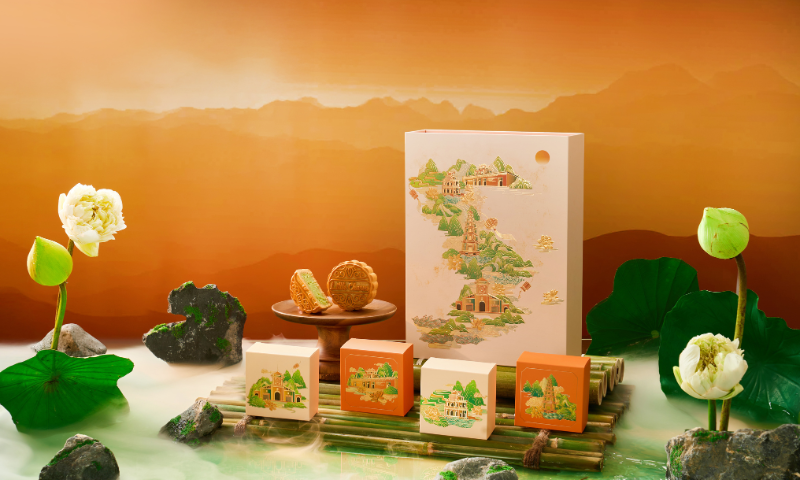 As the full moon of the eighth lunar month approaches, a palpable excitement builds across Vietnam, and with it comes a time-honored tradition that is as important as the festival itself: the act of giving mooncakes. During the mid autumn vietnam season, the vietnamese mooncake transcends its role as a mere dessert to become a powerful currency of goodwill, respect, and affection. It is a tangible message, a carrier of heartfelt wishes that strengthens the bonds between family, friends, and colleagues. Observing this ritual unfold across Hanoi is to witness the country’s deep-seated values of community and gratitude in action.
4.1. A Gesture of Gratitude and Respect
At its core, the tradition of gifting mooncakes is a profound expression of appreciation. Within the family, it is a gesture of filial piety, where children and grandchildren present boxes of mooncakes to their parents and elders to show love and wish them health and longevity. It is a ritual that reinforces the family reunion aspect of Trung Thu Vietnam. Beyond the home, this tradition extends deep into the social and professional fabric of Vietnamese society. In the corporate world, especially in business hubs like the Ba Dinh and Hoan Kiem districts of Hanoi, elegantly packaged mooncakes are essential gifts for clients, partners, and employees. This act is far more than a simple holiday pleasantry; it is a vital tool for nurturing relationships, expressing thanks for past cooperation, and conveying wishes for a prosperous future together.
4.2. The Packaging: An Art Form in Itself
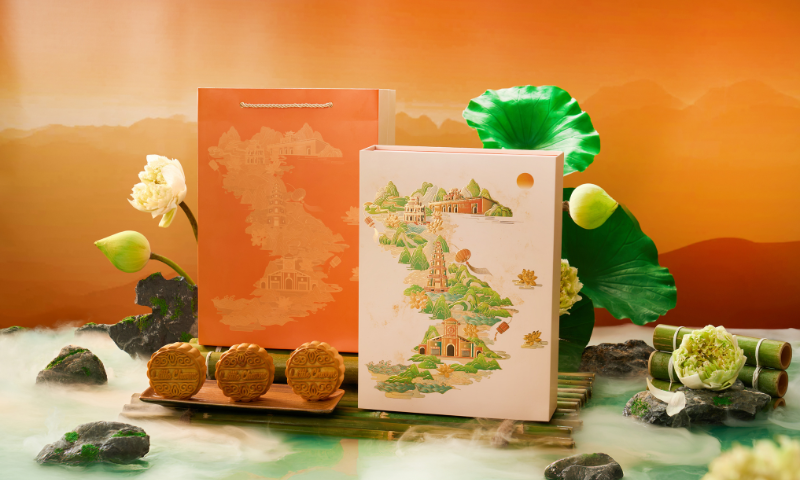
The significance of the gift is reflected not only in the quality of the mooncakes but also in their exquisite presentation. Mooncake packaging has evolved into a competitive art form, with brands vying to create the most beautiful and luxurious boxes each year. These are not simple cardboard containers; they are often elaborate, keepsake-quality creations made from lacquered wood, embroidered silk, or intricately designed paper, often featuring multiple drawers and compartments. The designs are rich with symbolism, frequently incorporating motifs of the full moon, lotus blossoms, carp, or dragons, all rendered in auspicious colors like imperial red and gold. The immense thought and craftsmanship invested in the packaging elevate the gift, signaling the deep respect and high esteem the giver holds for the recipient. The box itself becomes a cherished object, a beautiful prelude to the delicious treasures held within.
5. Savor the Spirit of Trung Thu
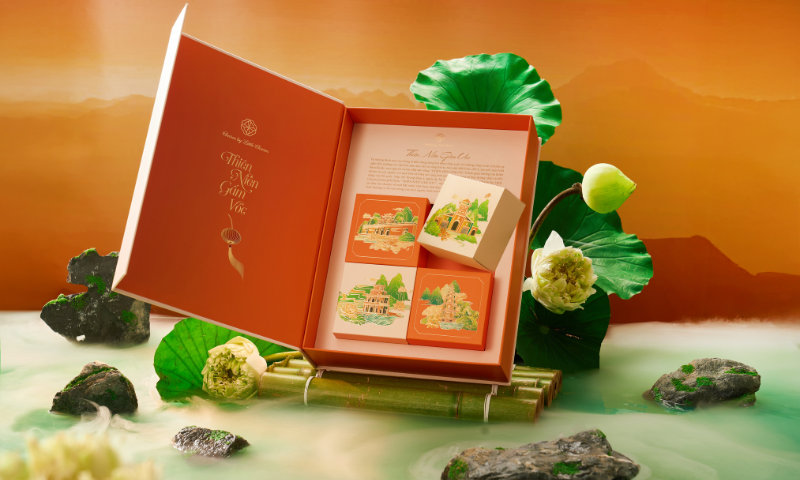 With the vietnam mid autumn festival just a few weeks away, the hunt for the perfect mooncake is in full swing across the country. In Hanoi, the city transforms into a vibrant marketplace, offering an incredible variety of these seasonal delicacies to suit every taste and budget. Whether you seek the comfort of a time-honored recipe or the thrill of a modern creation, finding your ideal vietnamese mooncake is a joyful and essential part of the pre-festival preparations. This guide will help you navigate the best spots to find these treats, ensuring you experience the authentic flavors of this magical season.
5.1. A Guide to Mooncake Shopping in Hanoi
For a truly traditional experience, take a stroll down the bustling streets of the Old Quarter. Historic confectionary shops along Hang Duong Street set up colorful stalls, their shelves laden with classic Banh Nuong and Banh Deo in iconic red tins. The atmosphere here is electric and offers a glimpse into generations of mooncake-making heritage. For those with a taste for luxury, the five-star hotels around the Hoan Kiem district unveil their own exclusive collections each year. These establishments pride themselves on gourmet flavors and breathtakingly ornate packaging, making them the perfect choice for an elegant gift. However, for a truly special and artisanal experience, look no further than the unique offerings from Charm By Little Charm. These masterfully crafted mooncakes, which blend tradition with contemporary flair, are available directly from Little Charm Hostel, providing a perfect and memorable taste of the modern vietnamese mid autumn celebration.
5.2. Embrace the Magic of the Mid-Autumn Festival
Ultimately, the journey of the vietnamese mooncake is about so much more than its ingredients or where you buy it. It is a symbol of unity, a catalyst for connection, and the delicious heart of the Trung Thu Vietnam spirit. So, as you savor a piece of this rich pastry, I encourage you to immerse yourself fully in the festivities. Wander through streets aglow with the light of a thousand lanterns, feel the ground vibrate with the beat of the lion dance drums, and take a moment to share tea with friends under the light of the full moon. Vietnam is a country of profound beauty and deep-rooted traditions, and there is no better time to experience its warmth and charm than during the Mid-Autumn Festival. Come and discover the magic for yourself; it’s an experience that will capture your heart and delight your senses.