
Mastering Vietnamese Etiquette for the Modern Traveler

Navigating a new culture requires an understanding of local customs, and mastering Vietnamese etiquette is essential for a harmonious travel experience. Deeply rooted in traditions that prioritize community harmony, respect for elders, and subtlety, these unspoken rules form the cornerstone of social interactions across the country. By observing these practices, a deeper connection with the local heritage is organically forged. For those planning a journey through this culturally rich nation, further insights and comfortable accommodations can be found at Little Charm Hostel.
1. The Foundations of Social Greetings
 First impressions are pivotal, and greetings in Vietnam are steeped in respect for age and social hierarchy. Handshakes are commonly used among men, though a slight bow of the head is highly appreciated when greeting elders or women. Physical contact is generally kept to a minimum in professional and casual settings alike. Furthermore, public displays of affection are frowned upon and should be avoided to maintain cultural respect. Emphasis is placed on addressing individuals by proper titles based on age and status, rather than using first names immediately. For instance, titles translating to “older brother” or “aunt” are frequently employed even among strangers to establish a polite social dynamic. By mirroring these subtle gestures, respect is clearly demonstrated to local hosts and new acquaintances.
2. Dining Customs: Navigating the Vietnamese Table
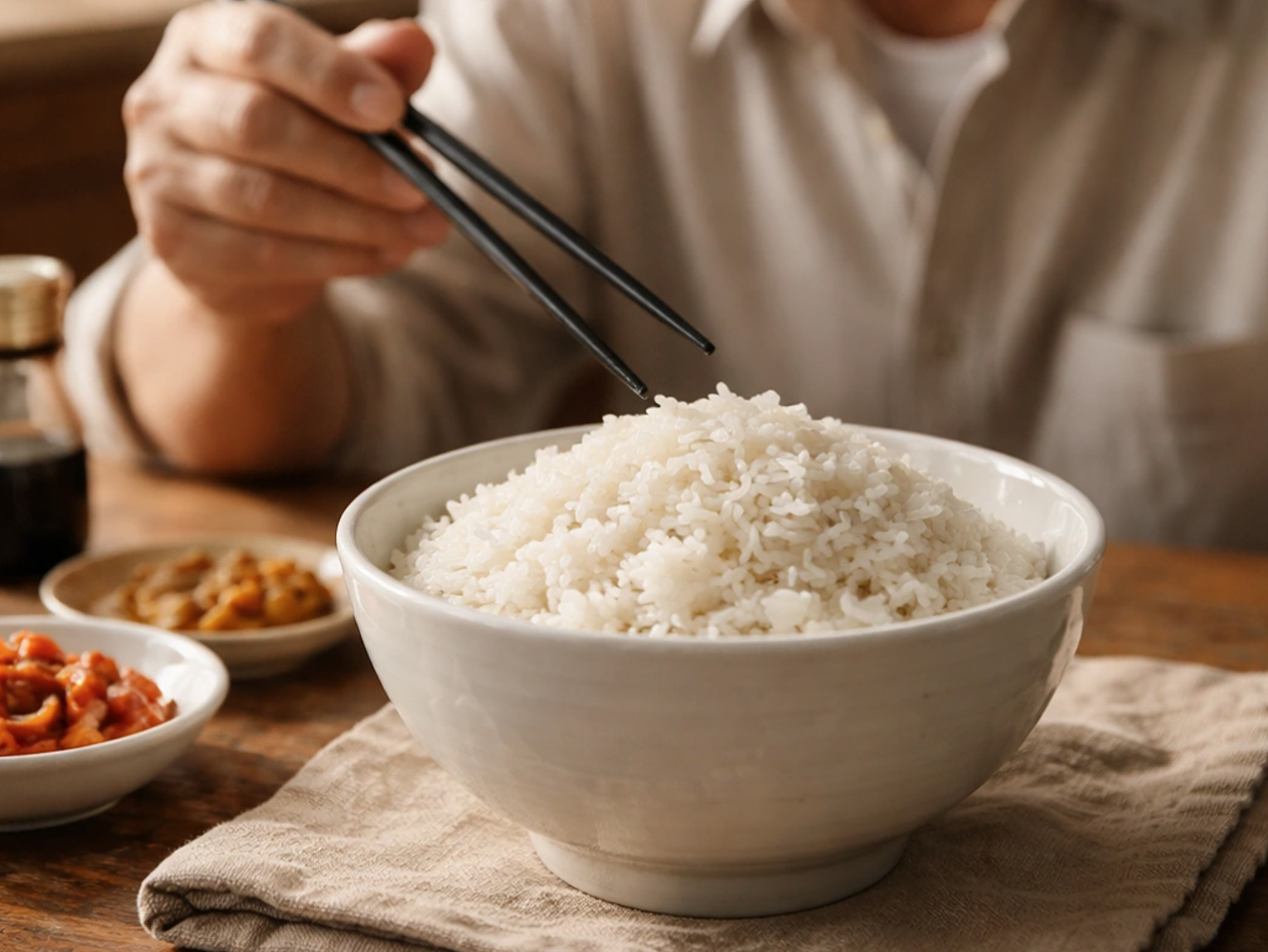 Culinary traditions offer a profound window into the soul of the nation. Meals are traditionally communal affairs where dishes are shared centrally among all guests, reflecting the deeply collective mindset of the society. When partaking in these feasts, proper chopstick etiquette must be observed; chopsticks should never be stuck vertically into a bowl of rice, as the visual strongly resembles incense burned for the dead and is considered a severe omen. Additionally, it is customary to wait for the oldest person at the table to begin eating before the rest of the group commences the meal. The reverence for this shared experience is palpable. As the late chef Anthony Bourdain famously noted regarding the nation’s culinary culture, “Food is the lens through which people see Vietnam, and the communal nature of their dining is a reflection of their deep cultural bonds.”
3. Temple and Pagoda Etiquette: Showing Respect in Sacred Spaces
 Spiritual life remains a cornerstone of the national identity, necessitating the utmost respect from visitors entering sacred spaces. When visiting spiritual sites, conservative dress is strictly required. Shoulders and knees must be entirely covered before entry is permitted, and sarongs or scarves are sometimes provided at entrances for unprepared guests. Shoes and hats are traditionally removed and left outside before stepping inside main worship areas. Inside, physical spatial awareness is crucial; pointing feet toward altars, monks, or Buddha statues is considered highly disrespectful and must be consciously avoided. For a practical example, when visiting the historic Temple of Literature in Hanoi (located at 58 Quoc Tu Giam, Dong Da, with an entrance fee of 30,000 VND and operating hours from 8:00 AM to 5:00 PM), these modest dress codes are strictly enforced at the gate.
4. The Art of Gift-Giving
 Exchanging gifts is a nuanced practice heavily reliant on symbolism. Gifts should always be given and received with both hands, serving as a physical demonstration of respect and gratitude. The type of item offered is equally important; objects such as knives, scissors, or anything associated with mourning, like certain types of flowers, should be strictly avoided as they signify the cutting of ties or bad fortune. Once a gift is received, it is customary for the item to be set aside and opened later in private, rather than being unwrapped immediately in front of the giver. This practice is maintained so that no disappointment is accidentally displayed, and the focus remains on the relationship rather than the material object.
5. The Concept of Saving Face
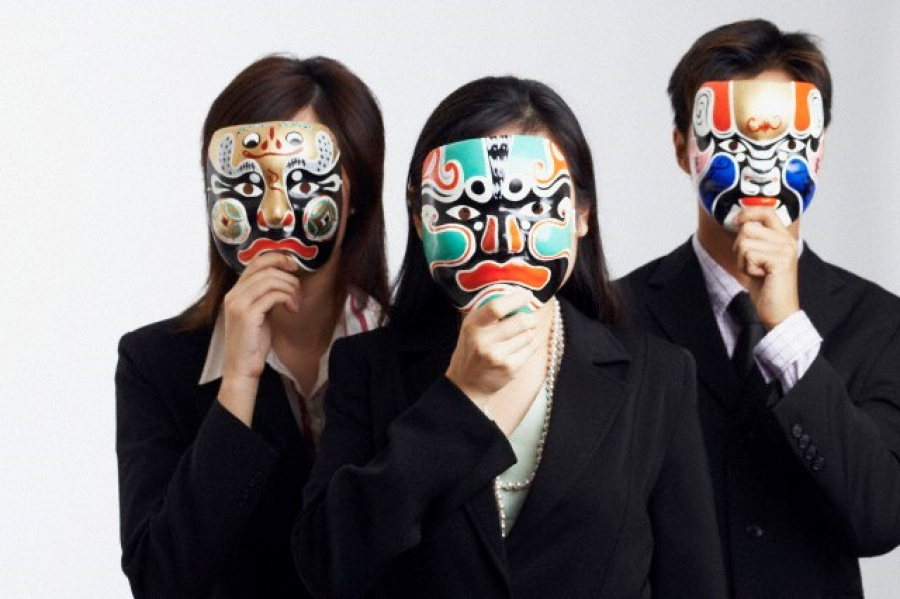 The concept of “saving face” is intricately woven into the fabric of daily life and communication. Social harmony is consistently prioritized over direct confrontation or blunt honesty. Consequently, public displays of anger, shouting, or loud arguments are viewed negatively and cause a severe loss of face for everyone involved. Delicate situations are usually handled with a polite smile or strategic silence, ensuring dignity is maintained for all parties. If a mistake is made, it is addressed privately and gently. By understanding this underlying psychological framework, misunderstandings are easily bypassed, and smoother interactions are guaranteed during any journey.
6. Journeying Forward with Cultural Awareness
 Understanding Vietnamese etiquette fundamentally enriches the travel experience, allowing for genuine, respectful connections with the local people. A profound passion for Vietnam is easily developed when immersing oneself in its rich traditions, dynamic history, and nuanced social customs. Travelers are warmly encouraged to explore the country’s breathtaking beauty, from the misty mountains of the north to the vibrant waterways of the south, fully equipped with the knowledge to navigate it respectfully. By embracing these cultural guidelines, the journey is transformed from a simple vacation into a deeply meaningful exploration of one of Southeast Asia’s most captivating destinations.