
A Traveler’s Guide to Vietnam’s Cultural Mosaic: The 54 Ethnic Groups
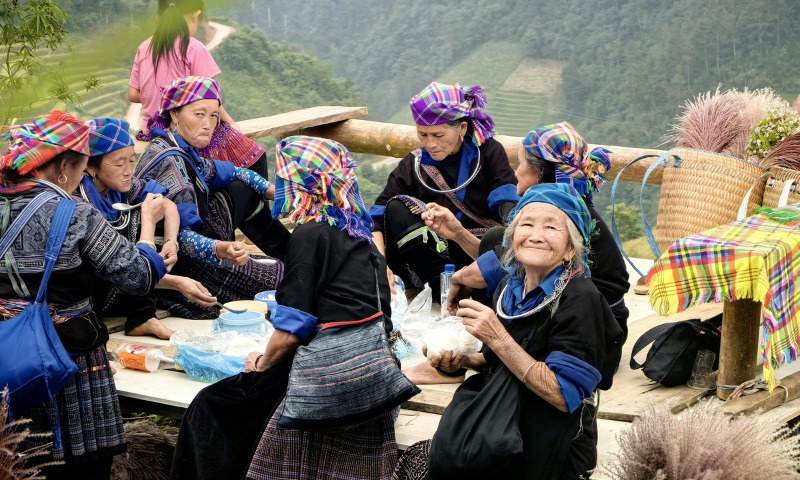
Vietnam is often imagined as a single, unified culture, but to truly understand this nation is to see it as a vibrant tapestry woven from 54 distinct threads. Answering the common question, “how many ethnic groups in Vietnam?”, reveals the incredible diversity at its heart: the official number is 54. This includes the Kinh (Viet) people, who form the majority, and 53 other ethnic minorities in Vietnam, each with its own language, customs, and traditional dress. For any traveler, moving beyond the bustling cities to explore this rich mosaic is one of the most fascinating and enriching experiences the country has to offer, revealing a depth of culture that spans from the rugged northern mountains to the fertile southern delta. For travelers looking to begin their cultural journey, Little Charm Hostel offers a perfect base to explore the rich heritage of the nation.
1. The Kinh (Viet) People: Understanding the Majority Vietnamese Ethnicity
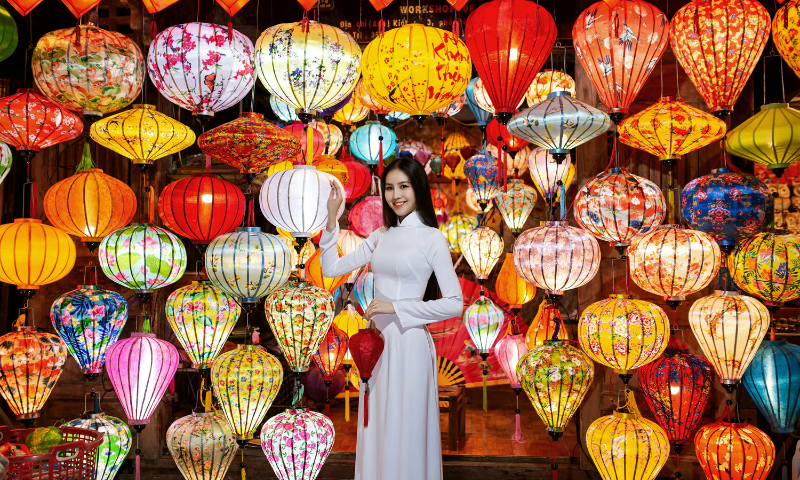 When you travel through Vietnam, the culture you most frequently encounter is that of the Kinh people. Understanding this group is the first step to appreciating the nation’s full ethnic spectrum. They are not just one group among many; they are the demographic and cultural foundation of modern Vietnam, and their story is central to the country’s history.
1.1 The Cultural and Demographic Heart of the Nation
The Kinh people make up approximately 86% of the country’s population, making them the overwhelming majority. Historically, their heartland is the fertile Red River Delta in northern Vietnam, centered around the capital, Hanoi. From this cradle of civilization, the Kinh gradually expanded southward over the course of a millennium in a process known as the Nam tiến (“March to the South”). Consequently, this historical expansion established the Kinh as the dominant Vietnamese ethnicity, whose language and cultural practices became the national standard. Their influence is felt in every aspect of Vietnamese life, from the structure of government to the layout of villages and cities.
1.2. Defining Mainstream Vietnamese Culture
As a result of their majority status, what the world recognizes as “Vietnamese culture” is predominantly Kinh culture. The elegant national costume, the áo dài; the Vietnamese language, which serves as the national tongue; and the world-renowned cuisine, featuring staples like phở and bánh mì, all originate from Kinh traditions. This is the culture of the bustling metropolises of Hanoi and Ho Chi Minh City and the serene, rice-paddy-lined landscapes of the countryside. Recognizing that this is the specific ethnicity of Vietnamese people who form the majority allows a traveler to then peel back the layers and discover the fascinating diversity of the 53 other ethnic groups that complete the nation’s cultural mosaic.
2. The Northern Highlands: A Tapestry of Vietnam Tribes
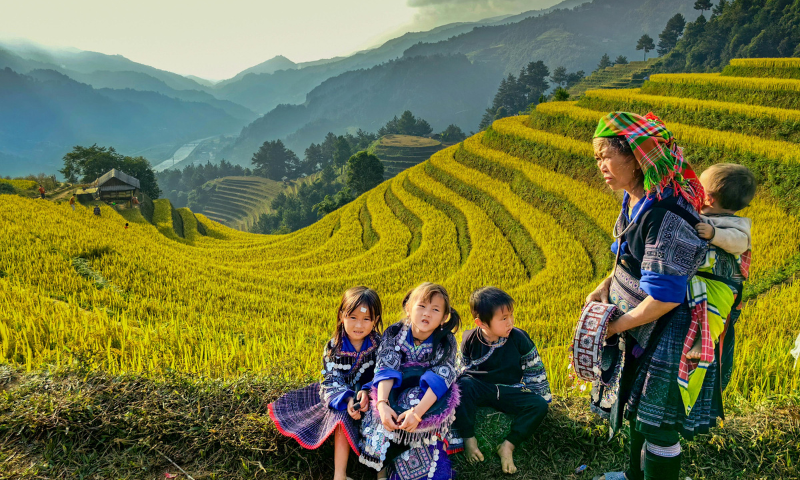 Just a few hours from where I sit writing in Hanoi, the flat plains of the Red River Delta give way to a breathtaking landscape of saw-toothed limestone mountains, winding passes, and cascading rice terraces. This is Northern Vietnam, the cultural epicenter for dozens of the country’s ethnic groups. For travelers seeking an authentic cultural immersion, there is no better place to explore. The region, particularly provinces like Ha Giang, Lao Cai (home to Sapa), and Yen Bai, is the homeland of remarkable mountain people in Vietnam who have cultivated unique ways of life in harmony with this rugged terrain.
2.1. The H’Mong and Dao: People of the High Peaks
Among the most iconic tribes in Vietnam are the H’Mong, renowned for their resilience and fierce independence. You will often see them living at the highest altitudes, their villages clinging to the mountainsides. They are masters of textile arts, with different subgroups like the Flower H’Mong and Black H’Mong distinguished by their vibrant, intricately embroidered, and batik-dyed clothing. Sharing these high-altitude spaces are the Dao people, most famously the Red Dao, whose women are immediately recognizable by their large, elaborate red headdresses and intricately embroidered trousers. The Dao are also respected for their deep knowledge of herbal medicine, with remedies passed down through generations.
2.2. The Tay and Thai: Masters of the Valleys
In contrast to the mountain dwellers, the fertile valleys of the north are primarily home to the Tày and Thái peoples. As the largest ethnic minority in the country, the Tày are known for their settled agricultural lifestyle, cultivating wet rice in the flatlands. Similarly, the Thái people are famous for their beautiful and practical stilt houses, called nhà sàn. These wooden homes are elevated to protect from flooding and animals while allowing air to circulate, a perfect adaptation to their environment. For any traveler wanting an intimate experience with a north vietnamese ethnic group, staying in a Thái homestay in places like Mai Chau offers an unforgettable glimpse into their culture, cuisine, and world-famous hospitality.
3. The Central Highlands & Coast: Gong Culture and Ancient Kingdoms
 Traveling south from the northern mountains, the landscape and culture of Vietnam shift dramatically once again. The jagged peaks are replaced by rolling hills of rich, red earth, vast coffee plantations, and a much drier climate. This is the Central Highlands, or Tây Nguyên, a region with a soul entirely its own. It is a land that feels ancient, home to indigenous cultures whose traditions are profoundly different from those of the Kinh majority and even the northern hill tribes.
3.1. The Matrilineal Societies of the Central Highlands
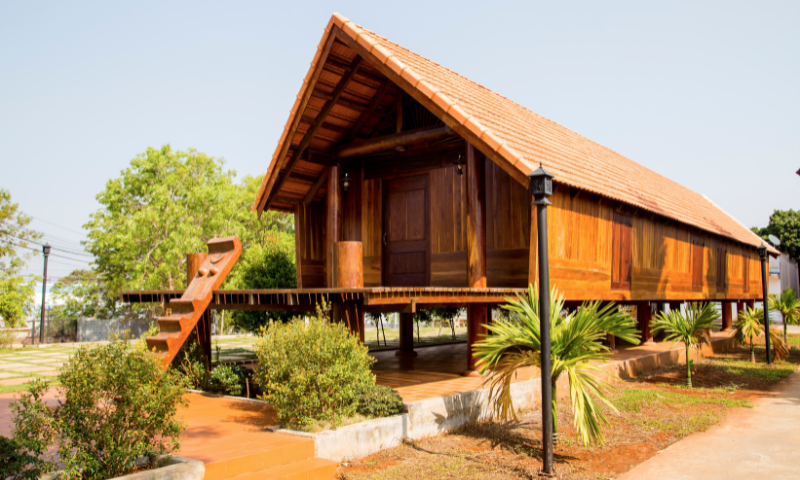
Deep in the highlands of provinces like Dak Lak and Gia Lai, you will encounter remarkable tribes of Vietnam such as the Ede (Ê Đê) and Jarai. What makes these groups particularly fascinating is their traditional matrilineal society, where family lineage and inheritance are passed down through the female line, and the youngest daughter often inherits the family home. Their communities are traditionally centered around impressive longhouses (nhà dài), large wooden structures that can house an entire extended family. Furthermore, this region is the heart of the UNESCO-recognized “Space of Gong Culture.” For these groups, gongs are not merely musical instruments; they are a sacred language used to communicate with deities during festivals and ceremonies, marking every important event from birth to death.
3.2. Descendants of an Ancient Kingdom: The Cham People
Moving from the highlands down to the sun-drenched, arid coast of provinces like Ninh Thuận and Bình Thuận, you encounter one of the most historically significant ethnic groups of Vietnam: the Cham. They are the direct descendants of the formidable Champa Kingdom, which flourished for centuries along Vietnam’s central and southern coast. Their unique culture is a captivating blend of indigenous customs, historical Hindu influences, and a significant adoption of Islam. The most powerful reminders of their legacy are the iconic Cham Towers (Tháp Chàm), reddish-brick sanctuaries that stand as silent witnesses to their ancient civilization. Visiting these towers, like Po Klong Garai near Phan Rang, feels like stepping back in time and offers a profound connection to a culture that has persevered for over a thousand years.
4. Experiencing the Culture: A Guide to Ethnic Travel Vietnam
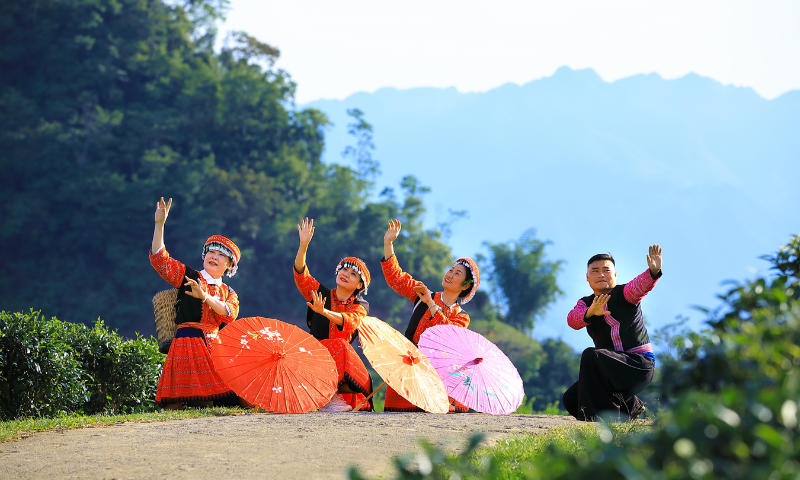 Reading about Vietnam’s ethnic diversity is fascinating, but the true magic lies in experiencing these living cultures firsthand. However, navigating this cultural landscape requires sensitivity and awareness. Proper ethnic travel Vietnam is about more than just seeing; it’s about connecting respectfully, supporting communities directly, and leaving a positive impact. Here’s how you can approach your journey thoughtfully and have a truly enriching experience.
4.1. Where to Begin Your Cultural Journey
Before you even head for the hills, I always recommend starting your journey right here in Ha Noi at the Vietnam Museum of Ethnology. It’s the perfect prologue, offering incredible context with its indoor exhibits and a fantastic outdoor area featuring life-sized replicas of traditional homes from across the country. Once you have that foundation, dive into the living culture at a weekly market. The Sunday market in Bac Ha, for example, is a dazzling kaleidoscope of color where different groups like the Flower H’Mong, Dao, and Tay converge to socialize, trade goods, and maintain cultural ties. It is a vibrant, real-world version of the museum exhibits.
4.2. Engaging Respectfully and Responsibly
For the most immersive experience, consider a homestay in a village, such as those in Mai Chau or Ha Giang. This is the best way to understand daily life, share meals, and support local families directly. When you are exploring, a common question is about taking ethnic group pictures. The golden rule is simple: always ask for permission first. A warm smile and a gesture toward your camera is a universal sign of respect. Remember that you are a guest in their home and community. Finally, when buying souvenirs, purchase handicrafts directly from the artisans in their villages or at local markets. When you buy a hand-woven scarf from the woman who made it, you’re not just getting an object; you’re honoring her skill and ensuring your money directly benefits her and her family.
5. A Tapestry of People: Your Vietnamese Journey Awaits
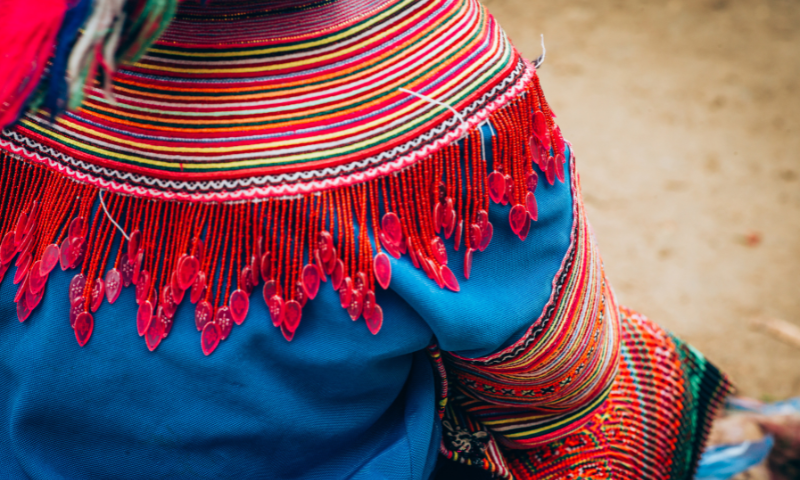 From the misty, terraced peaks of the north to the sun-baked coast of the central region, Vietnam’s landscapes are undeniably beautiful. But after more than a decade of living and traveling here, I can say with certainty that the country’s greatest treasure is its people. The 54 ethnic groups of Vietnam are not just a statistic in a guidebook; they are the living, breathing soul of this nation. To learn the difference between the Kinh majority and the unique traditions of the H’Mong, the Dao, the Ede, or the Cham is to transform a simple vacation into a profound journey of discovery.
So, as you plan your travels, I encourage you to look beyond the checklist of famous sights. Dare to take the scenic route, choose a homestay in a small village, learn a few words in a local dialect, and listen to the stories that the rice paddies and mountains alone cannot tell. It is in these moments of human connection that you will truly find the heart of Vietnam. I hope you come here with an open mind and leave with memories not just of beautiful places, but of the remarkable, diverse, and resilient people who call this country home. The adventure is waiting for you.